Go Land Routes

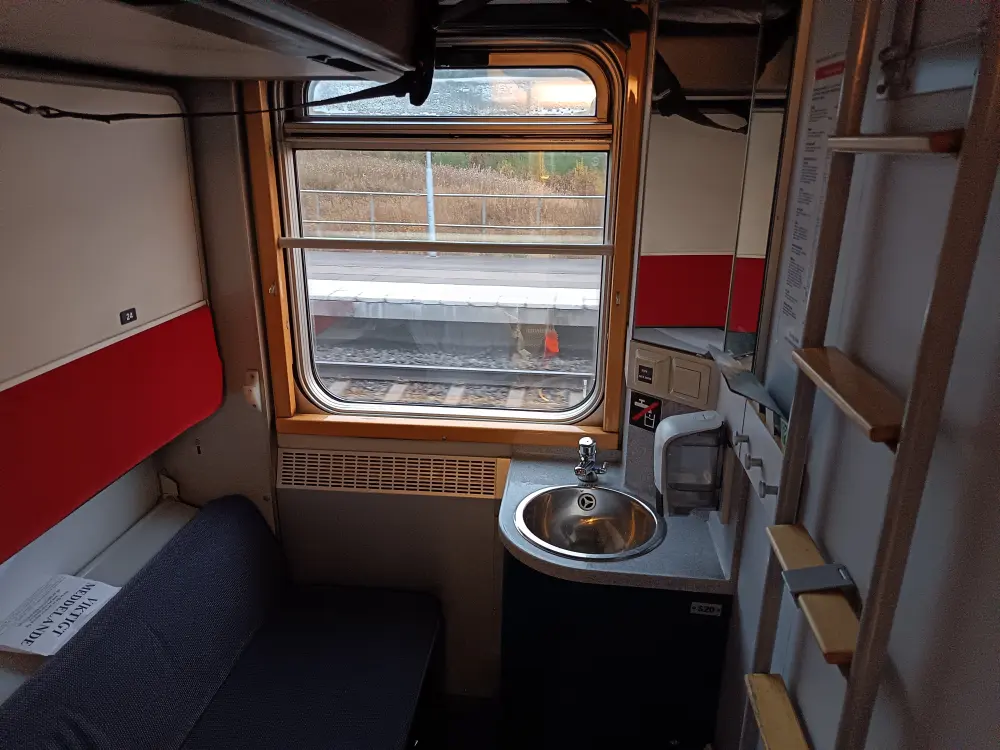
Sleeping car of the Swedish national railway company SJ
Sleeping car of the Swedish national railway company SJ. It was good to sleep in the sleeping car.

Costs

Interrail ticket, ten travel days, €342.

SJ sleeper seat tickets €279.30 (Luleå-Stockholm, Stockholm-Berlin, Hamburg-Stockholm, Stockholm-Luleå)

AirBnB €546.43

Hellenic train €30.60 (Thessaloniki-Athens)

Seat tickets for trains €16.50

Booking €107.63

Ferry Igoumenitsa-Brindisi €58Flixbus €72.26 (Three travel segments)

Bus Athens-Igoumenitsa €48.50

Second phone line for a month €34

Total: €1535

Carbon dioxide emissions - the cancellation of one train trip and its replacement with a flight caused 60 percent of the total emissions for all 17 stages

The flight from Luleå to Stockholm was only less than a tenth of the entire journey.

I used the EcoTree calculator in the calculations.

I am aware that emissions on trains in Sweden are lower than what the calculator indicates. I used my own knowledge for that.

For Flixbus, I used the reported 26 g/km per passenger.

Other buses used in the calculation 35.2 g/km

I assess the emissions of the ferry connection myself.

Bus from Haparanda to Luleå 5 kg

Flight from Luleå to Stockholm 172 kg

Train from Stockholm to Berlin 3 kg

Train from Berlin to Vienna 4 kg

Train from Vienna to Budapest 1 kg

Flixbus from Budapest to Belgrade 10 kg

Flixbus from Belgrade to Sofia 10 kg

Flixbus from Sofia to Thessaloniki 8 kg

Train from Thessaloniki to Athens 3 kg

Bus from Athens to Igoumenitsa 15 kg

Ferry from Igoumenitsa to Brindisi 30 kg

Train from Brindisi to Milan 6 kg

Train from Milan to Stuttgart 3 kg

Train from Stuttgart to Hamburg 4 kg

Train from Hamburg to Stockholm 2 kg

Train from Stockholm to Luleå 1 kg

Bus from Luleå to Haparanda 5 kg

Total 282 kg

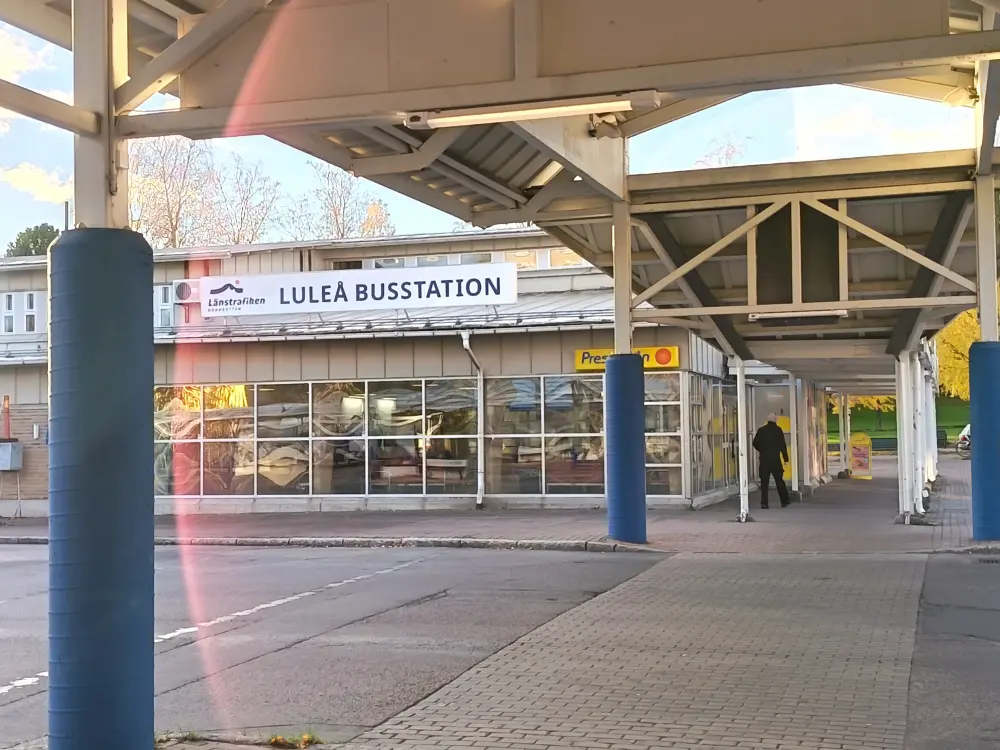
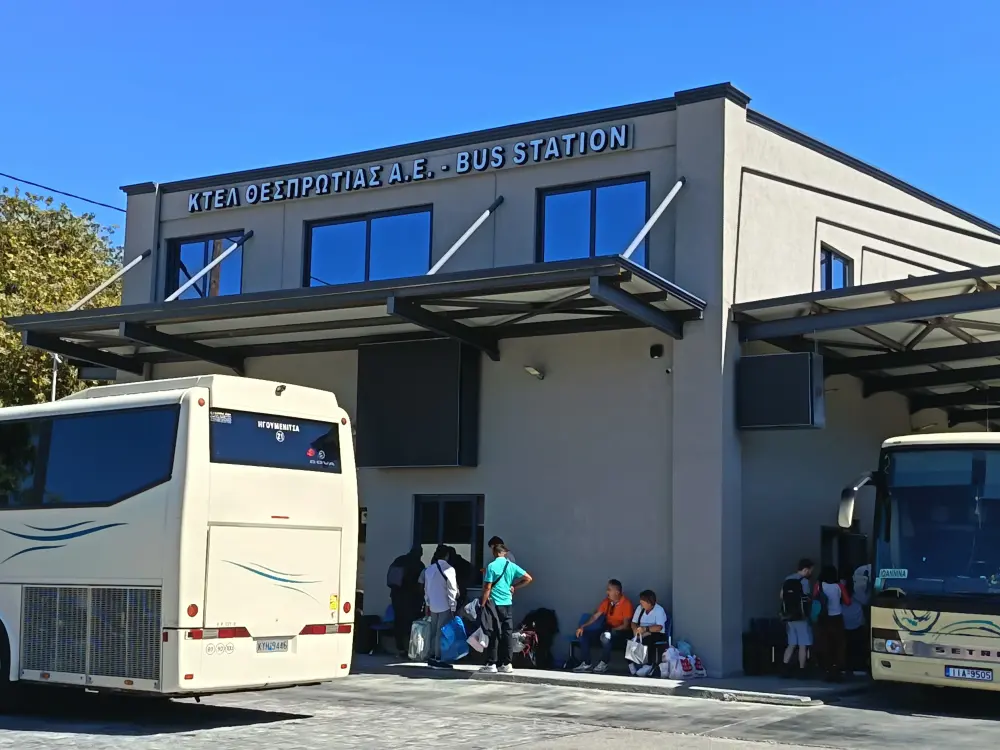
Luleå Bus Station
Luleå Bus Station
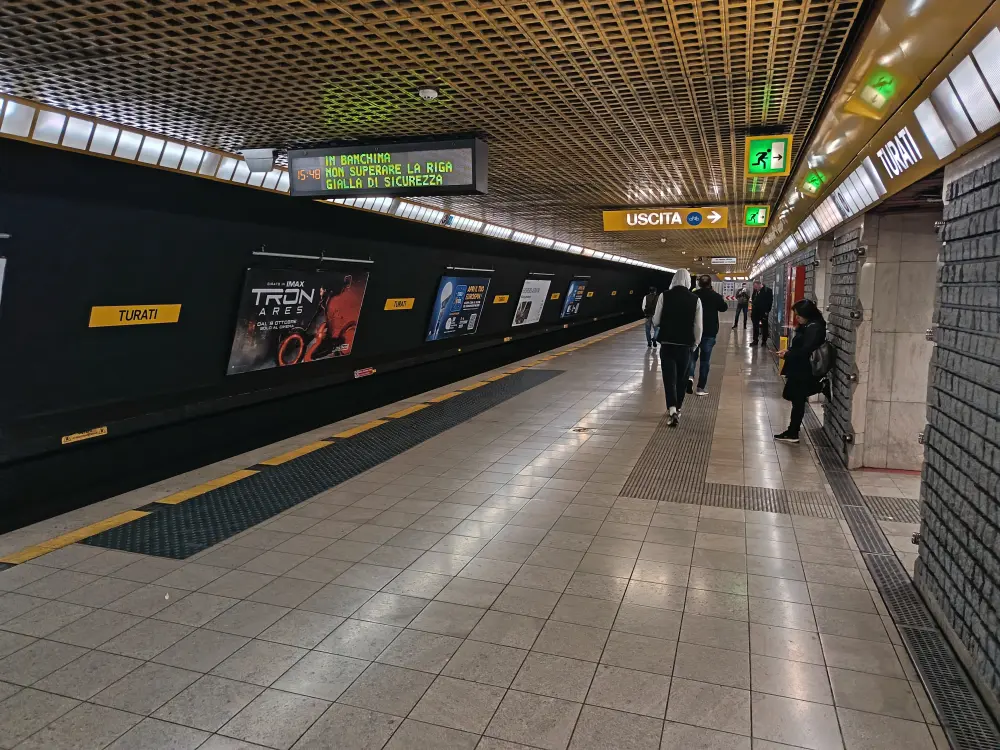
Milan metro train platform

“… the cancellation of one train service and its replacement with a flight caused 60 percent of the emissions for the entire 17-stage journey”

From Northern Sweden to the Balkans and back north via Italy – travel costs and emissions

Route: Luleå-Stockholm-Berlin-Vienna-Budapest-Belgrade-Sofia-Thessaloniki-Athens-Igoumenitsa and across the Adriatic Sea to Brindisi, and from there onwards Milan-Stuttgart-Hamburg-Stockholm-Luleå and Haparanda. A total of nearly 8,700 km.

The tour lasted a little over three weeks. Here are the calculations for costs and carbon dioxide emissions.

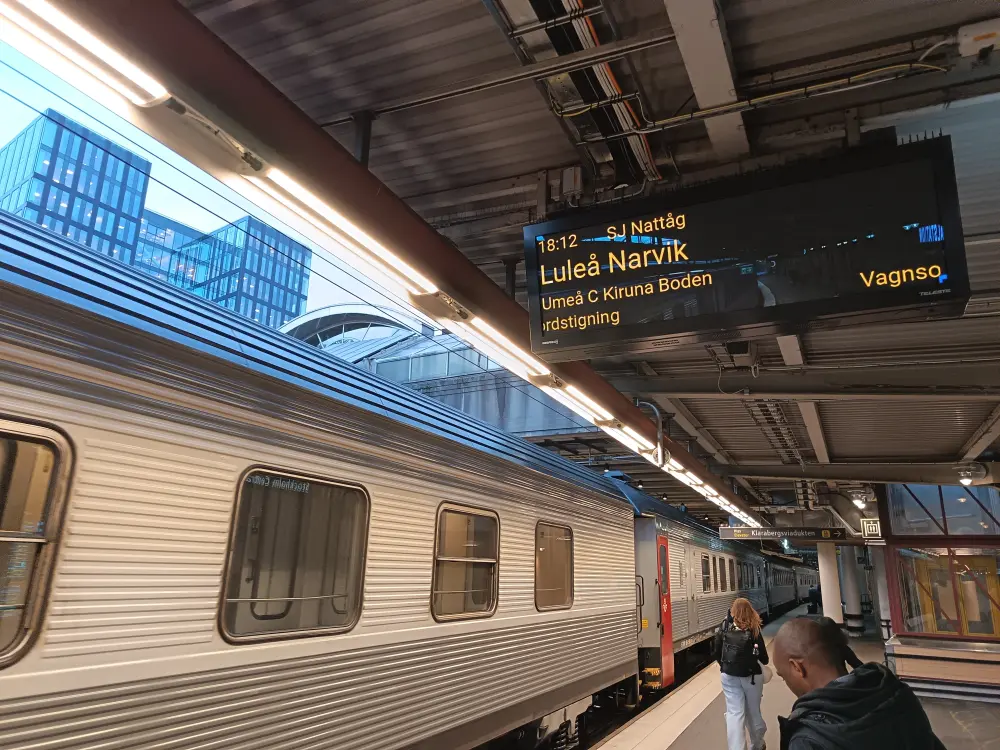
Night train departing from Stockholm to Narvik
Night train departing from Stockholm to Narvik. I traveled to Luleå.
  • route and accommodation
  • Costs
  • Emissions

Route and accommodation

September 8: Bus from Haparanda travel center to Luleå bus station. Interrail day.

    ————–

(At this point, the plan changed when a notice came that the night train from Luleå to Stockholm was canceled due to flooding)

September 8-9: Overnight stay in Luleå.

September 9: Flight from Luleå to Stockholm.

The Swedish state railway company SJ paid for the overnight stay and the flight costs. I had bought a sleeper car ticket for the night train for 59 euros.

    —————–

September 9-10: Night train from Stockholm to Berlin. Interrail day + sleeper car seat 80.50€.

September 10: Berlin – Vienna. Interrail day. Seat reservation 5.50€.

September 10-11: Accommodation. Vienna/AirBnB/44 €.

September 11: Train Vienna-Budapest, Interrail day. Seat ticket 5.50€.

September 11-13: Accommodation in Budapest / Booking / 43.63€.

September 13: Flixbus Budapest – Belgrade 19.50€.

September 13-15: Accommodation in Belgrade / AirBnB / 36.74€.

September 15: Flixbus Belgrade – Sofia 38.50€.

September 15-18: Accommodation in Sofia / AirBnB / 41.91€.

September 18:Sofia – Thessaloniki Flixbus, 14.26€.

September 18-19: Accommodation in Thessaloniki / AirBnB / 41.20€.

September 19:Train Thessaloniki – Athens / 30.60€

September 19-23: Accommodation Airbnb / Athens 121.25€.

September 23: Athens – Igoumenitsa Bus, 48.50€.

September 23-24: Accommodation / Igoumenitsa / Booking 64€.

September 24: Day ferry from Greece to Italy: Igoumenitsa – Brindisi 58€.

September 24-25: Accommodation / Brindisi AirBnB / 41.20€.

September 25: Train Brindisi – Milan. Interrail day.

September 25-27: Accommodation in Milan / AirBnB / 125.60€.

September 27: Train Milan – Stuttgart. Interrail day. Seat reservation 5.50€.

September 27-29: Accommodation in Stuttgart / AirBnB / 94.53€.

September 29: Train Stuttgart – Hamburg. Interrail day. Seat ticket 5.50€.

September 29-30: Hamburg – Stockholm night train, Interrail day. Sleeping berth 80.30€.

September 30 – October 1: Stockholm – Boden night train, Interrail day. Sleeping berth 59.50€.

October 1. Luleå- Haparanda, Bus Interrail day.

I made this trip in the autumn of 2025.

I stopped in Stuttgart for two days on my way home from Milan.

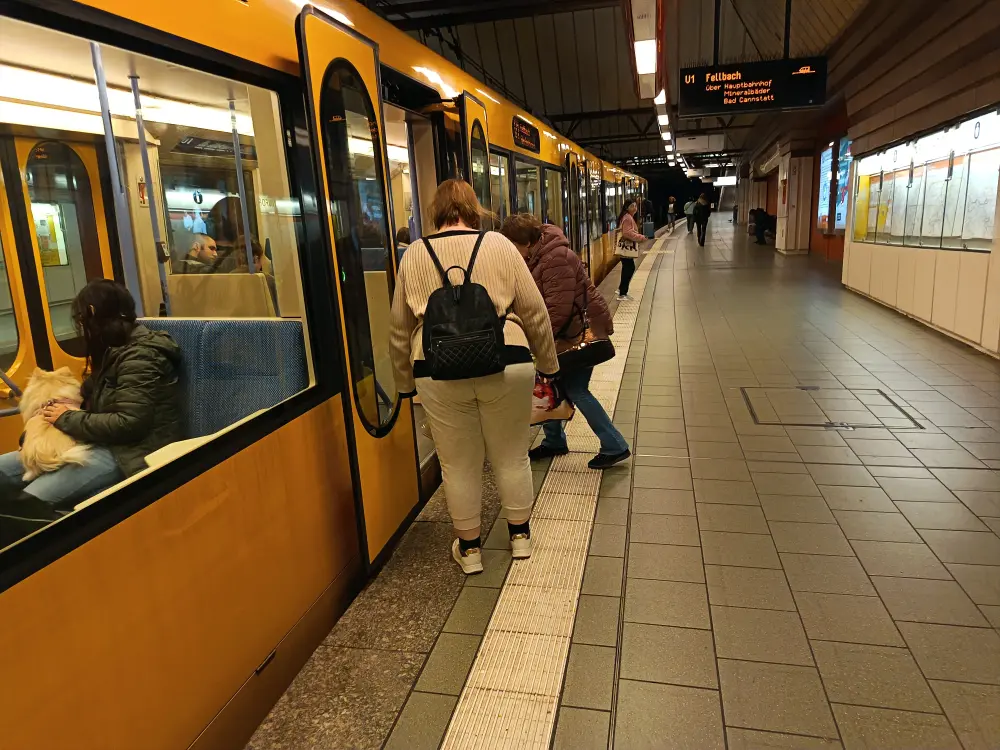
The city of Stuttgart has a plan to improve its public transportation and save costs. The city would reduce the number of subway or U-Bahn lines from the current 15 to about 8. This would mean that several routes would be combined, and some passengers would have to change trains more frequently.

Stuttgart is the sixth largest city in Germany, and the efficiency of traffic arrangements in the city is important for overall livability.

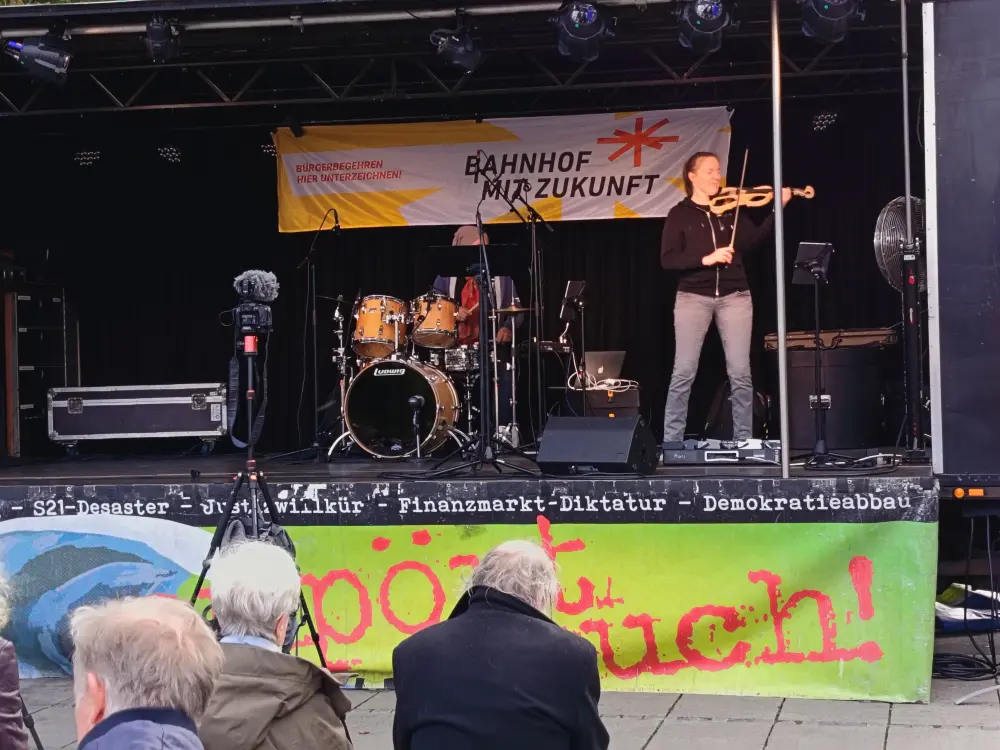
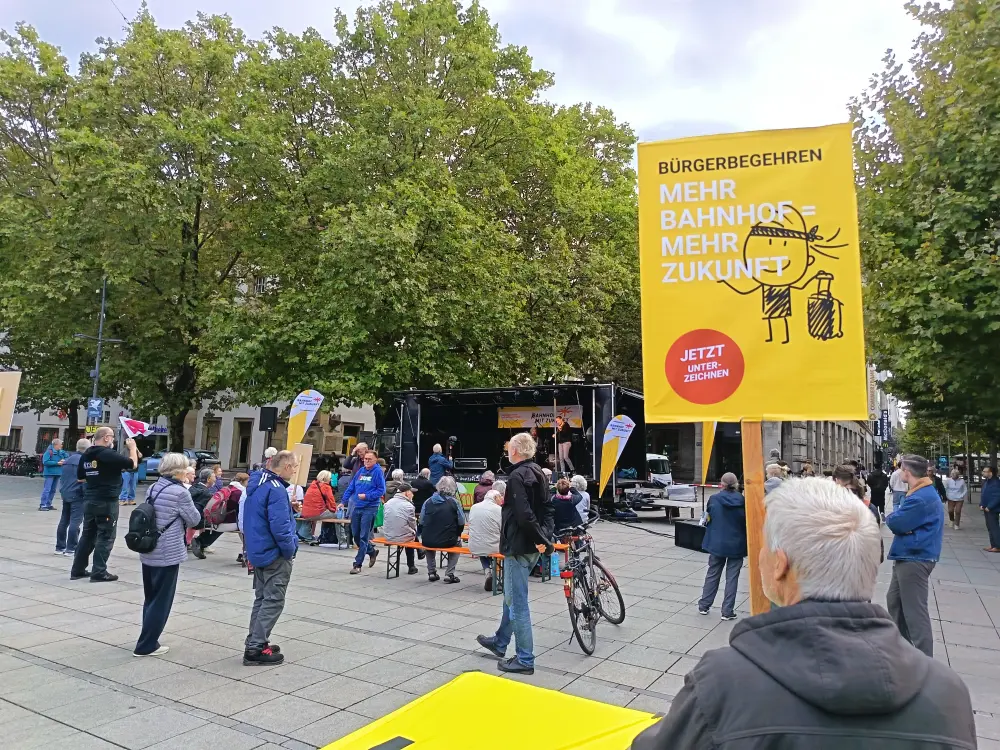
Public event opposing the Stuttgart subway reform.
One protest was held in September.

The plan has sparked strong opposition. Critics believe that the reform will worsen the level of service. More transfers and fewer direct connections would make journeys slower and less convenient, particularly for those traveling to the suburbs.

Critics fear that the changes would cause congestion and confusion in a metro system that has operated reliably for decades.

A well-functioning and familiar urban transport network – which is part of Stuttgart's identity and daily life – would, according to critics, become more confusing and less logical.

Public event opposing the Stuttgart subway reform in September.
The metro reform is causing opposition.

Changes to the Stuttgart metro system are being opposed

Stuttgart is the capital of the state of Baden-Württemberg in southern Germany. At the end of 2023, approximately 612,000 people lived in the city area. The broader metropolitan area has over 2.8 million residents.The city is modernizing its subway. This has caused opposition. Opponents are organizing protests in the city.

The subway is an important means of transportation in Stuttgart.
The subway is an important means of transportation in Stuttgart..

There is no implementation schedule because the project has been sent back to the drawing board. Strong opposition from the city’s residents led the decision-makers to halt the project and demand better justification before any potential continuation.

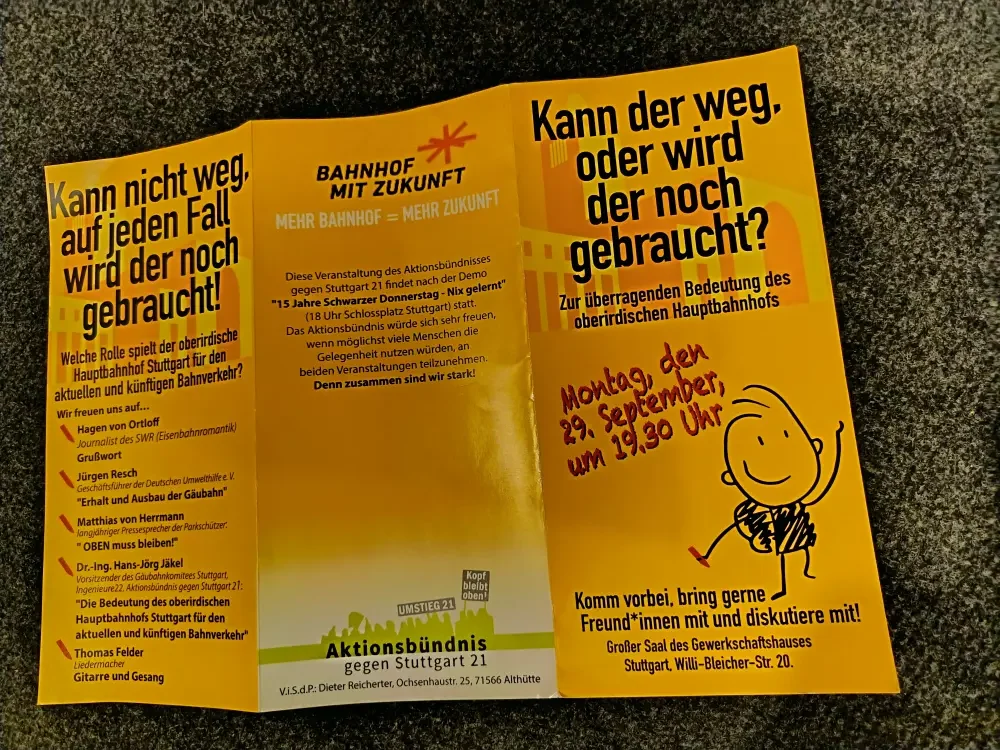
A leaflet opposing the Stuttgart metro reform.
Protesters' leaflet.
Milan metro train platform

Pickpocketing can be a well-executed performance - the main actor may not notice anything

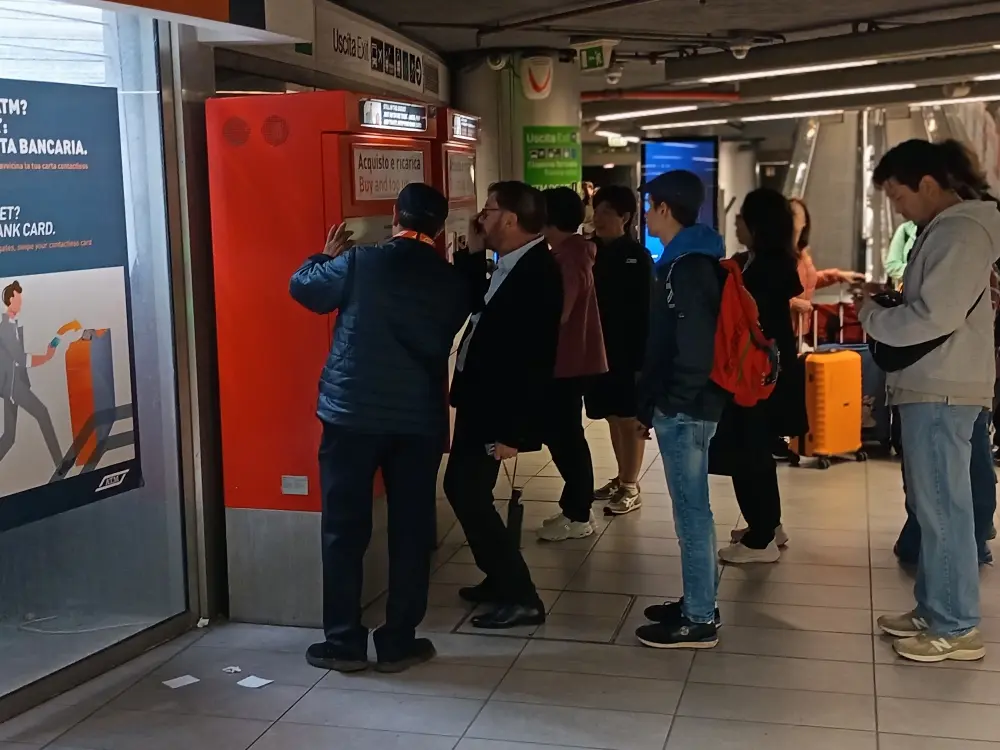
I was at Milan's main train station in the evening, heading to my accommodation by metro. It was approaching midnight when I was buying a metro ticket from the ticket machine.

Normally, I use the contactless payment feature on my smartwatch for purchases, so I don’t need to take out my card at all. On this trip, my phone's NFC function had started beeping on and off, and I couldn’t fix it, so I had disabled it, which meant I had to pay with a card. (Contactless payment is based on the Near-Field Communication –NFC protocol, which allows information to be read at close range, wirelessly, and without contact)

A few people were lingering around the ticket machine, one was selling unused tickets, another offered to help with buying the ticket.

I covered my fingers with my other hand while entering the PIN code on my card. I checked my wallet when leaving the ticket machine. The guys at the machine were hanging around, looking like they were trying to find the right metro train as well. Later, I realized that they were actually watching me.

Fortunately, I have learned to check my belongings from time to time, and I noticed right away, upon getting to the metro train, that my wallet was missing. I hadn’t noticed anything when it was taken from my pocket. I immediately canceled my card, but I saw that a total of €254.95 had been withdrawn from both my credit and bank accounts. So in total, €509.90, plus €180 in cash. The criminals also got my ID at the same time. The card, cash, and ID were all in the same place, which was a mistake. Luckily, I also had my passport with me.

I called the bank the very next morning. They said that the criminals had tried to make further withdrawals but were unsuccessful because I had kept the withdrawal limit at €400 and there was only a small amount of money in my checking account. They had tried to withdraw a thousand euros, and when that didn't work, they attempted to withdraw 85 euros, which also didn't succeed because there was only 14 euros in the account. Besides the low withdrawal limit, I also keep only a small amount of money in my card accounts. Now there was about 270 euros.

The next day to the police station

The next day, I went to the police station to file a crime report. There was a long queue, and I had to wait for over six hours. I received a document there verifying the theft that had occurred. I have travel insurance and later received compensation. The deductible and the maximum compensation reduced the amount I received. I was left with a little over 200 euros at my own expense.

I was penniless in Milan and without a bank card. Getting money from Finland would have taken at least a day. I came up with the idea of using my stolen card with a smartwatch. I only opened it for a couple of minutes while shopping and additionally set small withdrawal limits. The bank said they do not recommend such a procedure, but they understood when I said that this was the only way to get food.
People at the ticket machine in the Milan metro

As a victim of pickpockets in Milan

In the Milan metro, I got a harsh reminder: Your wallet must be kept well hidden. I will share my own experience and also provide tips on how to prepare for pickpocketing.

IMG 20251021 193437 1

In Europe, 1.5 million tourists fall victim to pickpocketing every year. How can I prepare for pickpocketing?

Here is my homemade set of instructions that I plan to use in the future to avoid problems:

Advance preparation

Two phones. A backup phone can either be a mobile subscription active while traveling or a SIM card ready in the backup phone, so the subscription can be activated if needed.

Cash money.

Two bank cards, of which I leave at least one card at the accommodation.

I set the withdrawal limits on the cards low and keep as little money as possible in the card accounts.

Moving around in metros and similar places

I keep money in a hidden wallet that can be worn around the neck and hidden under my shirt. I keep all payment methods in different pockets or different bags. I use contactless payments with a smartwatch and phone. This way, I don’t need to carry a card or take it out. I don’t use local transport ticket machines; instead, I pay directly at the gate or on the vehicle. The pockets of my coat should have zippers.

If I fall victim to pickpocketing

I will close the card immediately. 

I will go to the police station to file a crime report. I will try to provide evidence of the incident, proving that the theft actually happened, for example by pinpointing the location and time of the card withdrawal. The information can be obtained from the bank’s customer service.

I will claim compensation through travel insurance.

If my passport or ID card has been taken, I will cancel them.

If I am without money after the theft, I can ask my family to send money.

Sending money abroad is easy and fast, and you can use various services such as banks, Western Union, or Wise.

External link

Brindisi is a city in Italy. It is located in Apulia and is the capital of the Province of Brindisi. The city has a population of over 88,000 and an area of 328 km².

The port of Brindisi is one of the most important tourist, commercial, and industrial ports on the Adriatic Sea. Tourist connections are available to the Balkan Peninsula and Turkey.

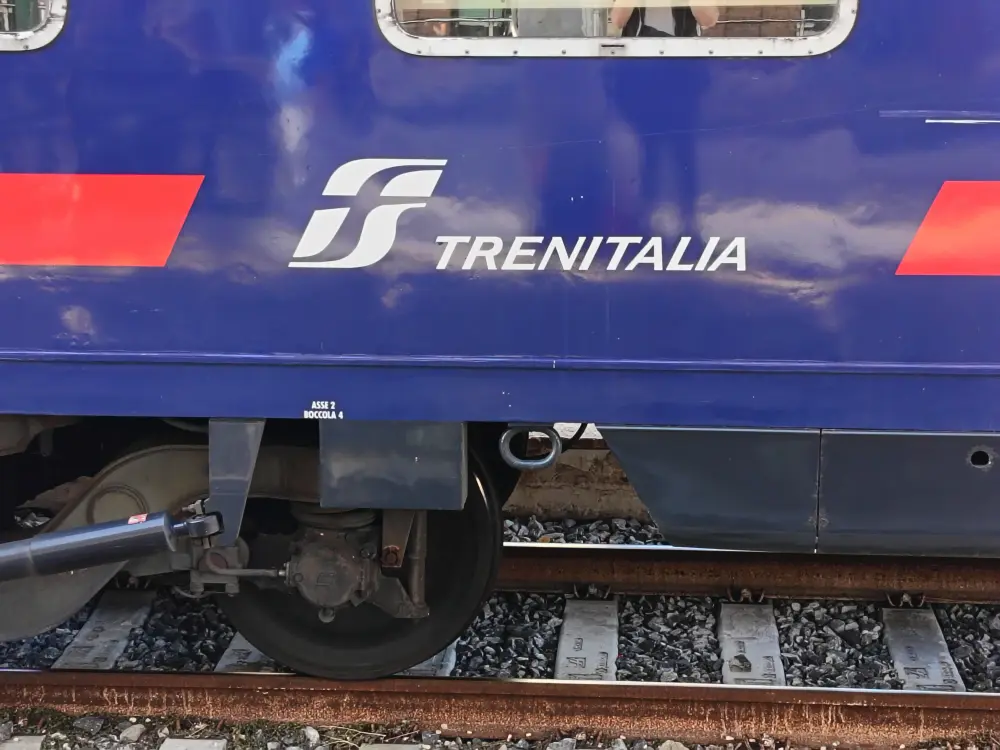
Trenitalia is Italy's main railway operator and is owned by the Italian state.

Trenitalia logo on the side of a train carriage

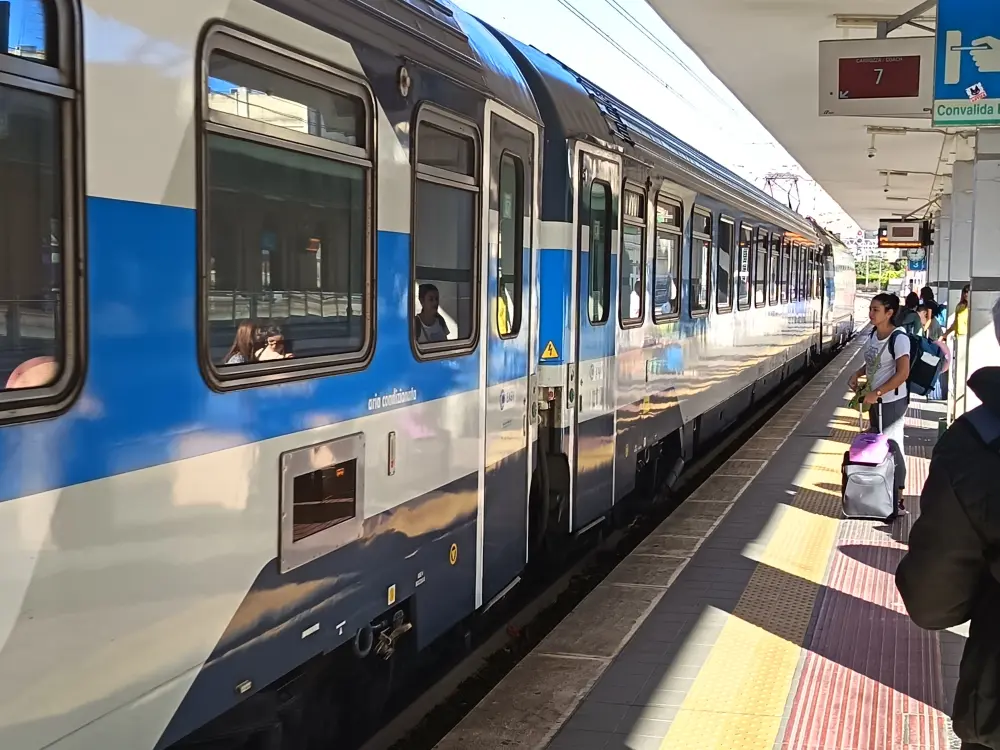
There are plenty of train connections in Italy. The journey back north begins without major difficulties.

Train at Brindisi station

The rest of the journey proceeds as follows: Milan, Stuttgart, Hamburg, Stockholm, Luleå, and Haparanda.

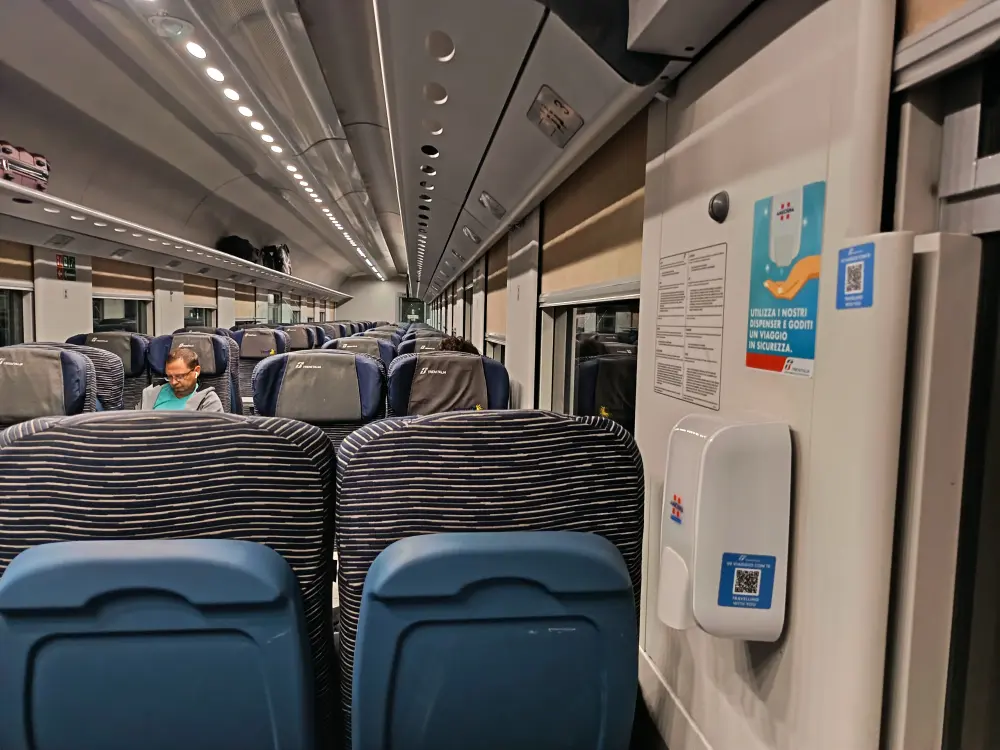
Inside the train carriage

Back north from Italy

The most exciting phase is behind me. The Balkans and crossing the sea are behind me. It’s easy to leave Italy and head north.

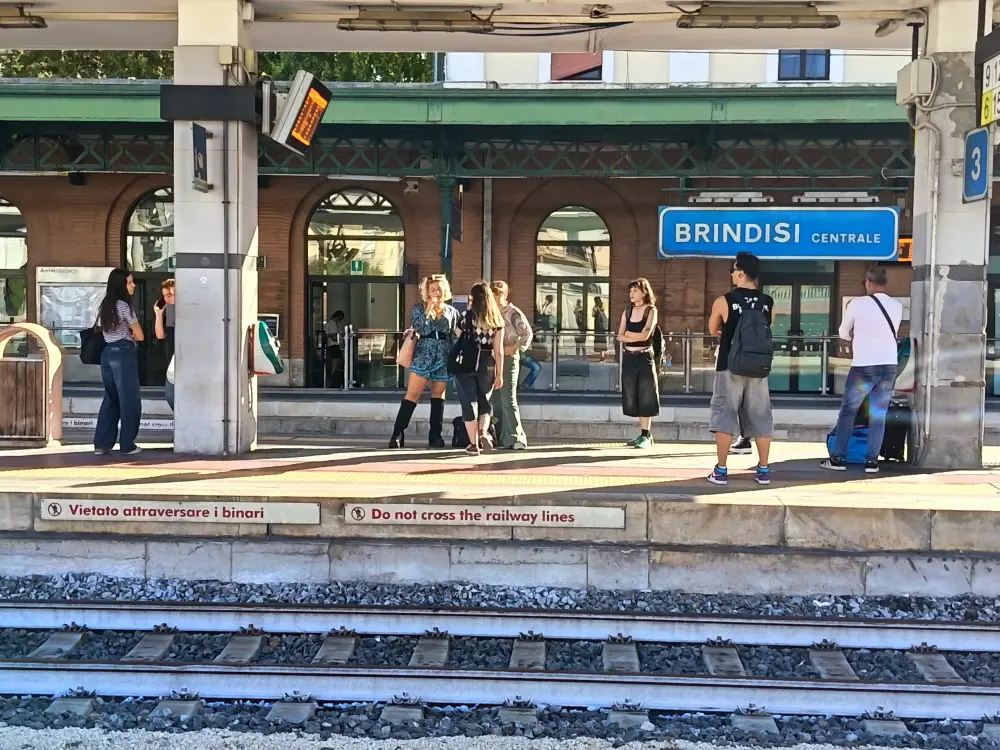
Brindisi train station

The journey from Athens to Igoumenitsa takes 6-7 hours by bus. There are few bus departures, but the trip is pleasant while enjoying the scenery.

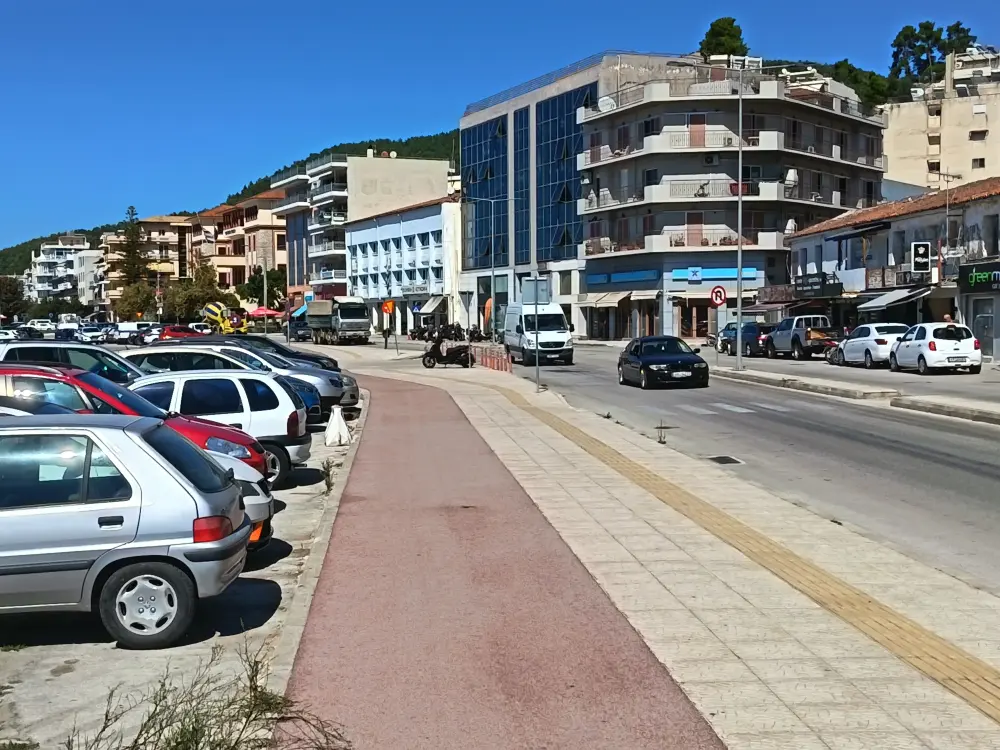
Igoumenitsa's seaside street

There are constantly ferries coming and going at the port of Igoumenitsa. The city has an important port that connects Greece to Corfu and Italy (Ancona, Bari, and Brindisi). A ticket to Italy costs a few tens of euros.

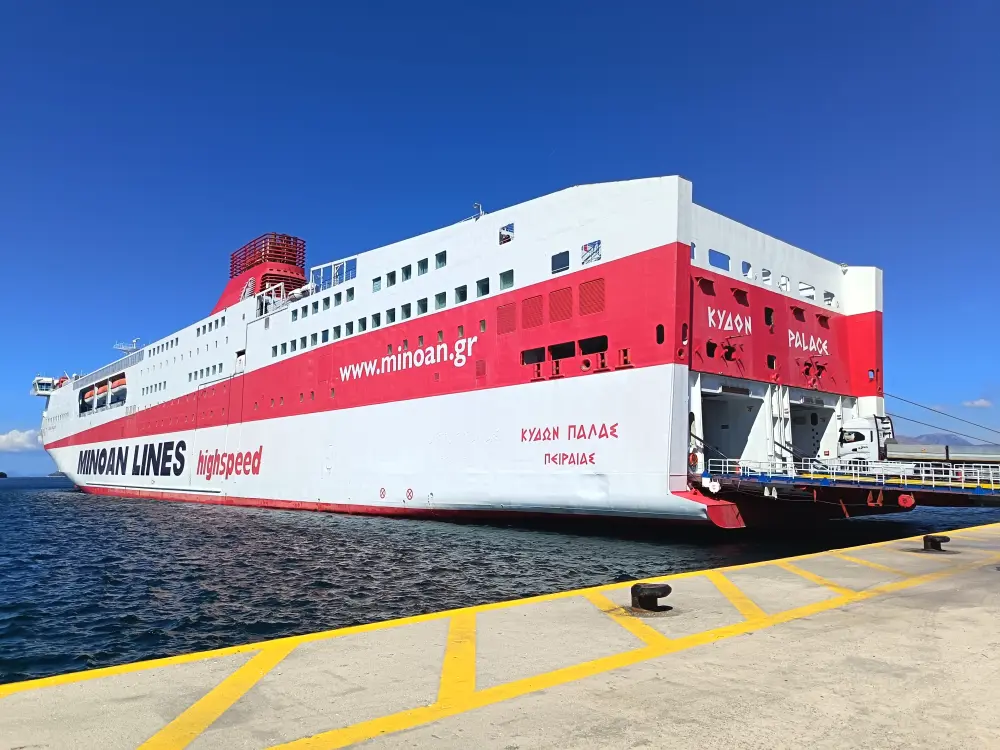
Ferry departing from Igoumenitsa to Brindisi

The ferry services are high-quality and the prices are affordable. If desired, one can get an internet connection on their phone for the duration of the trip for a few euros. It happened to me that my phone connected to an Albanian network when the ferry passed close to the country's coast. That was much more expensive.

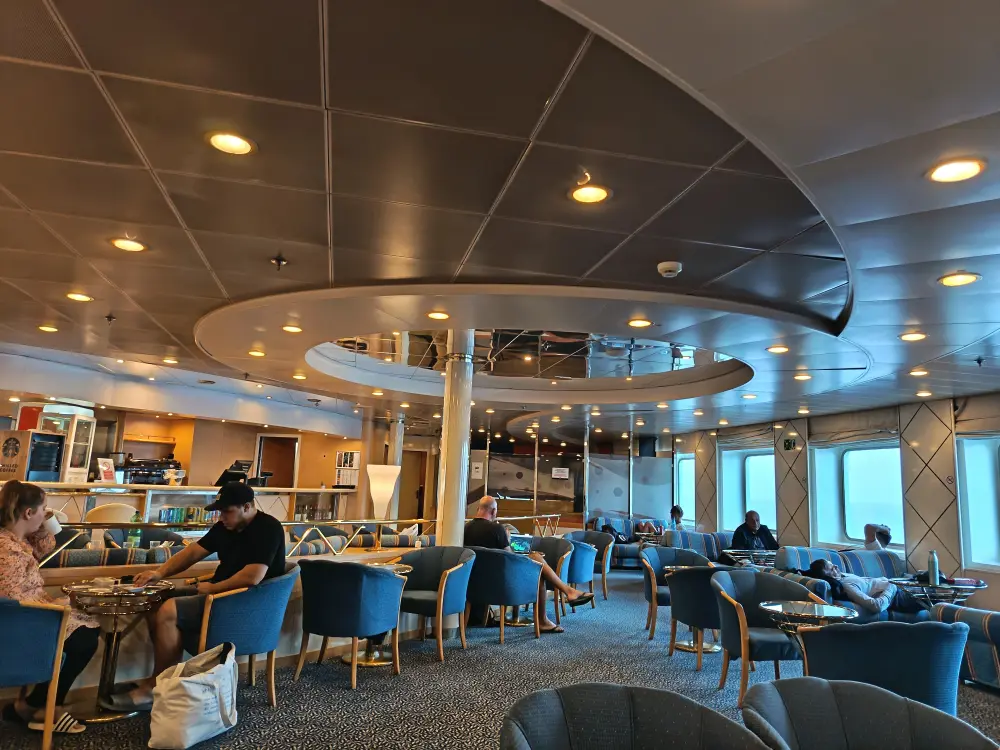
The restaurant on the ferry from Igoumenitsa to Brindisi

By bus and ferry to Italy

You can get from Athens by bus to Igoumenitsa on the coast of the Ionian Sea and from there continue by ferry to Brindisi in Italy.

Igoumenitsa bus station

Athens metro

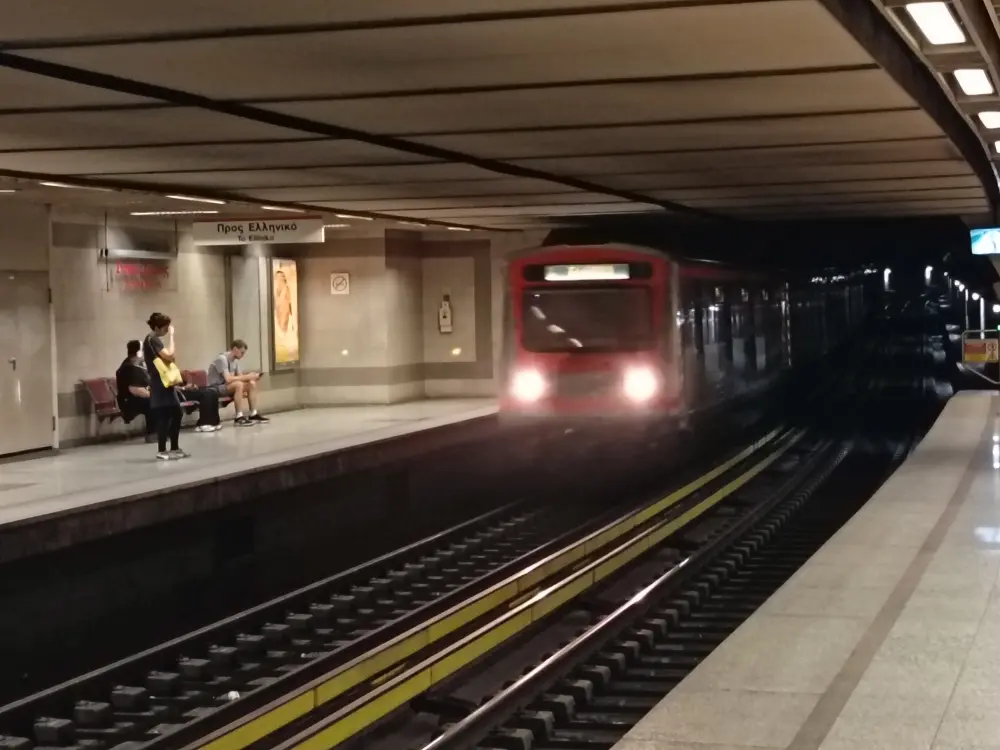
The Athens metro was a pleasant experience. It consists of three lines. Additionally, the metro system includes a connection to Athens International Airport. The total length of the system is 90 kilometers.

The metro train is arriving at the station in Athens

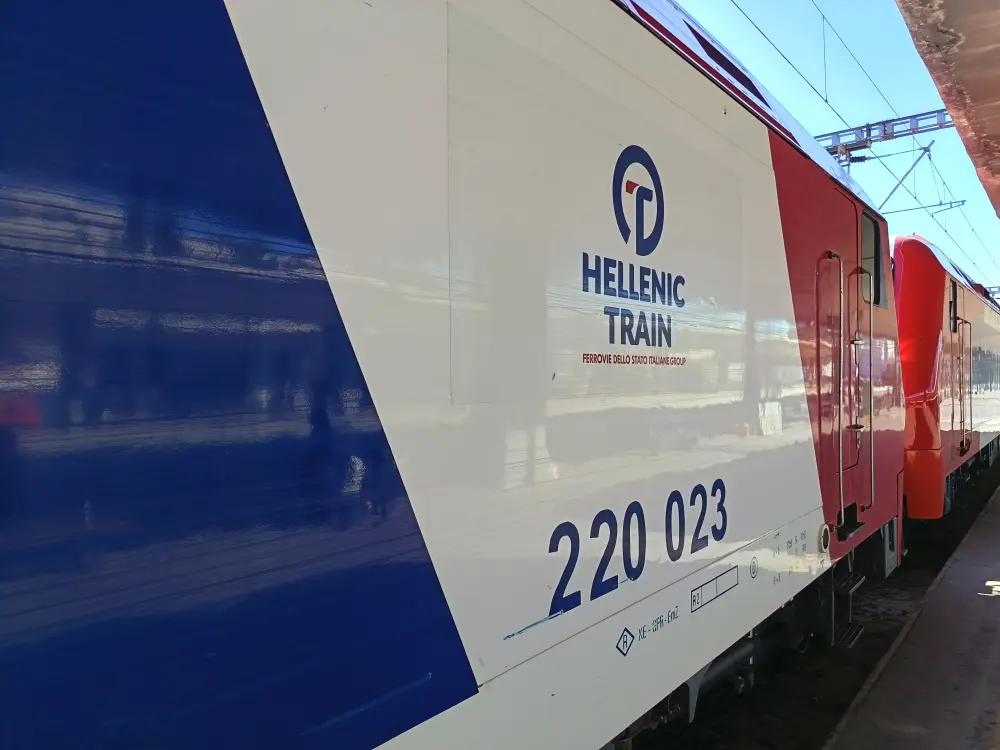
You can conveniently travel from Thessaloniki to Athens by train.

Passing through the Balkans is difficult. My progress happened in segments by bus. On the Greek side, travel becomes easier when one can take a train from Thessaloniki to Athens. The journey to the Greek capital is comfortable.

Train from Thessaloniki to Athens

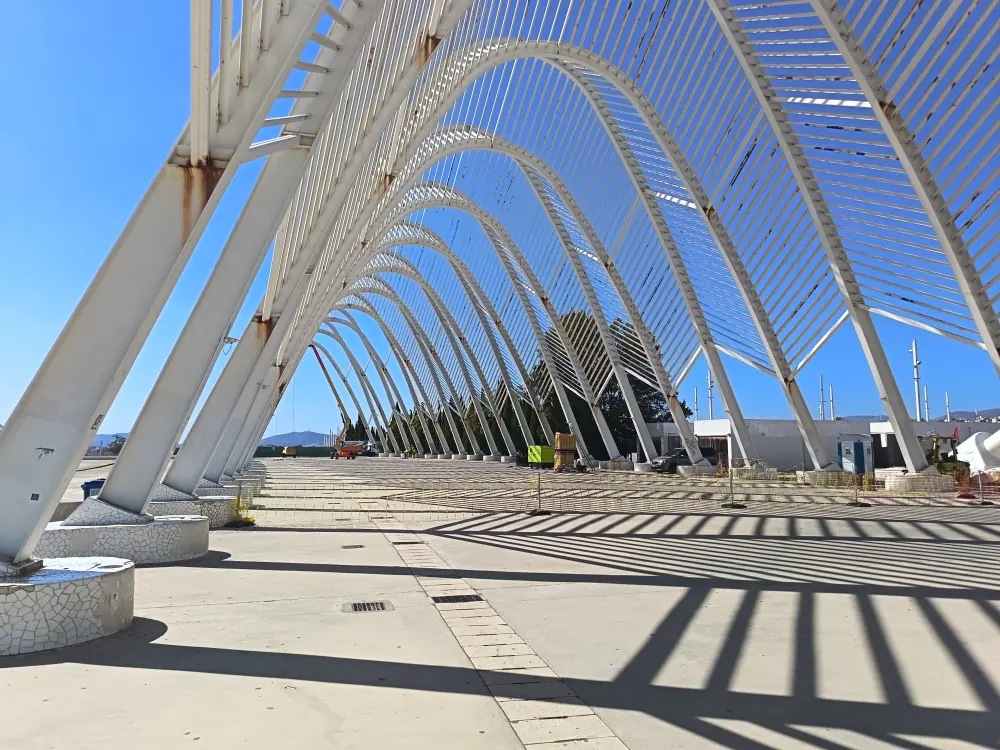
Olympic Stadium

Olympiastadion OAKA (Olympiako Athletiko Kentro Athinon) is Athens' largest and most important sports complex. It was significantly renovated and expanded for the 2004 Summer Olympics. Although the Games took place long ago, OAKA is still a modern and functional sports complex, used for athletics, football, and concerts.

The Olympia station has magnificent structures

Arrived in Athens

I have previously visited the Spanish Costa del Sol and Italy. Athens fits well as a continuation of these, but it is much harder to reach by land.

IMG 20250921 144421 2
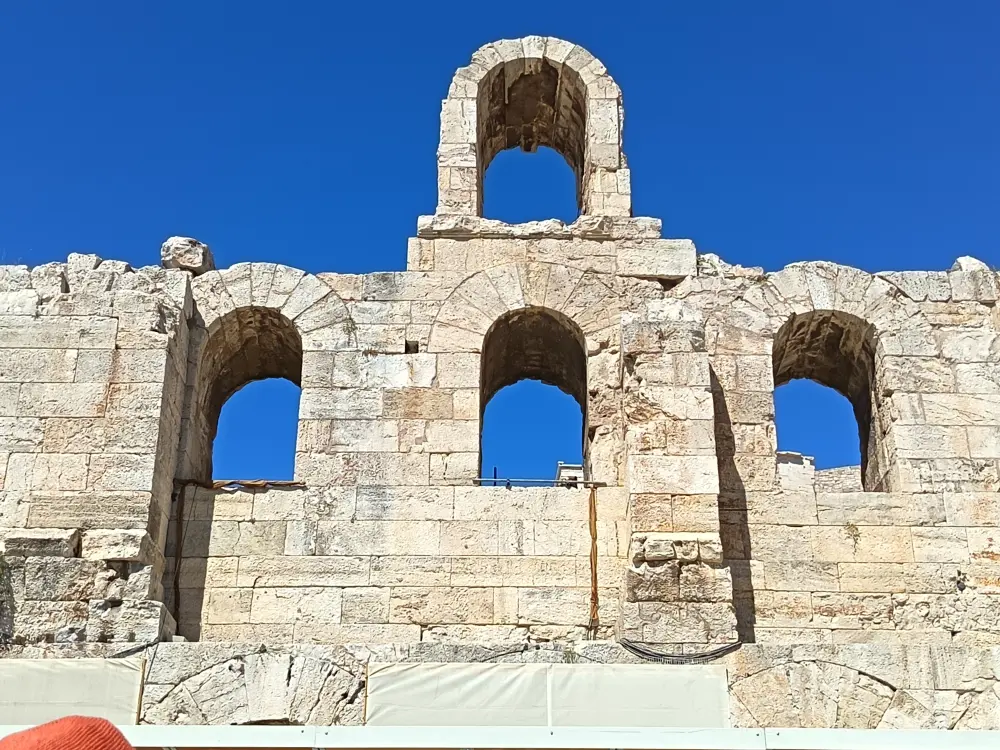
Athens has plenty of old stone buildings
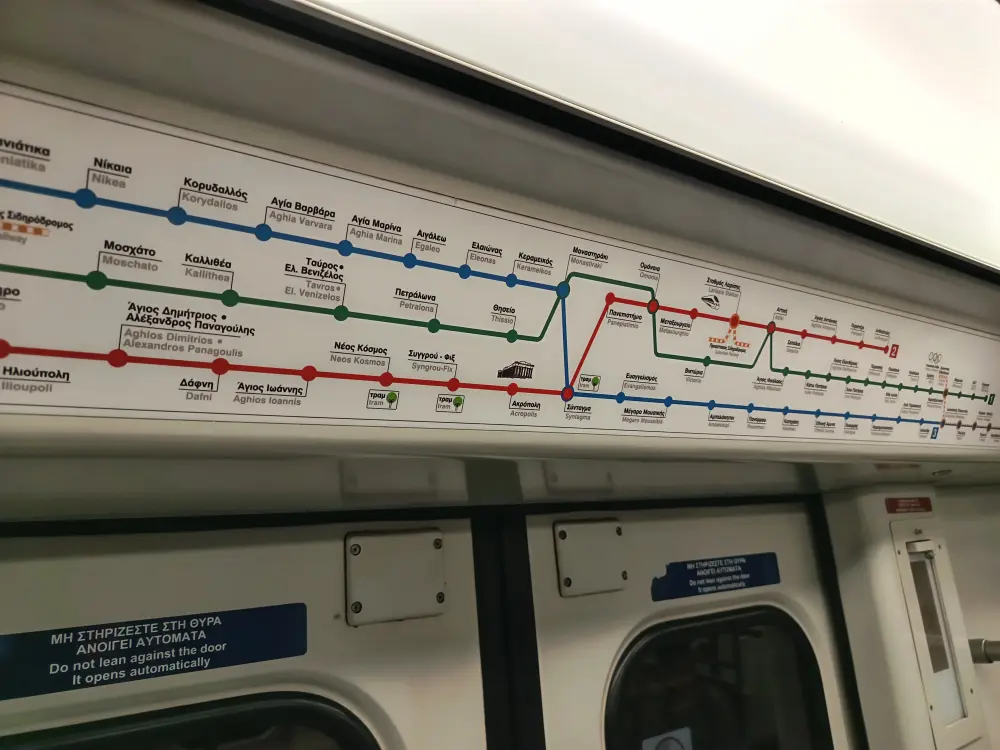
In the Athens metro trains, there is a metro map above the doors.
In the Athens metro trains, there is often a metro map above the doors. It's worth following.

September 23, 2025

Rail traffic is very limited in the Balkan peninsula. Sofia has a population of 1.4 million people, but there is only one bus service to Thessaloniki, which is 280 km away, and it departs in the morning at seven o'clock. I couldn't find any other public transportation.

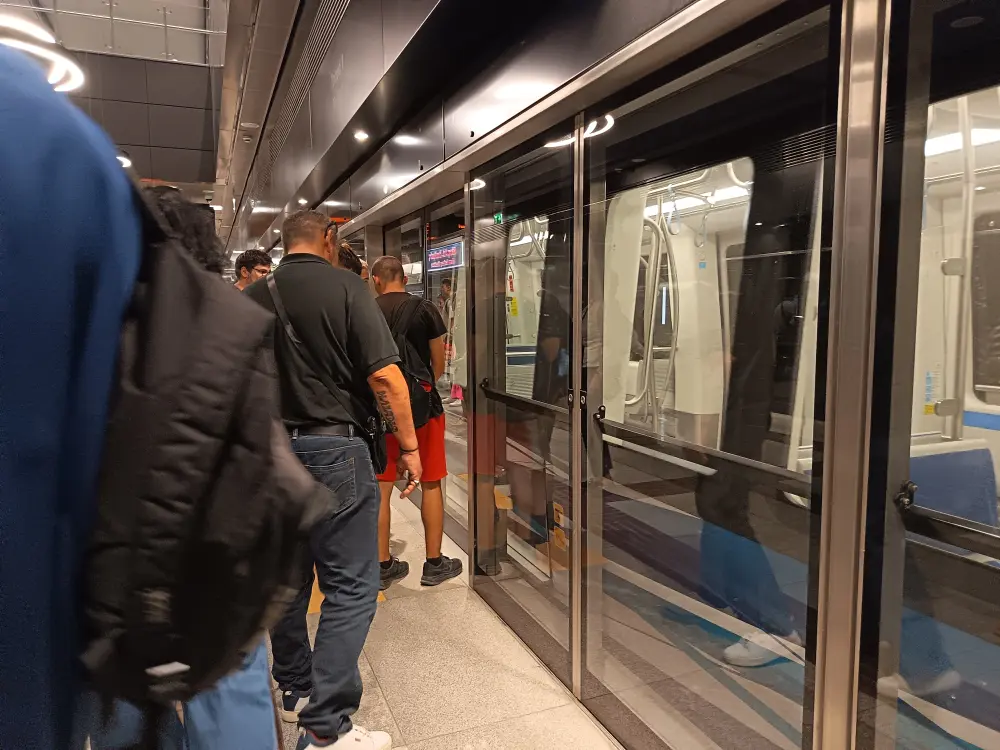
On the Greek side, Thessaloniki presented a new world. The metro, which was completed last year, is really nice. The tracks and platform are separated by glass doors, so no one falls under the train in the crowd. I have seen a similar system in the Copenhagen metro.

Thessaloniki metro station train platform
The glass wall between the tracks and the platform is a good thing. It increases safety.

In Greece, the waste management is astonishing. Empty drink bottles and cans are thrown in the trash. I have received a surprised look a couple of times when I offered an empty can back to the person behind the café counter. Some people search through the trash for empty bottles, so recycling apparently works.

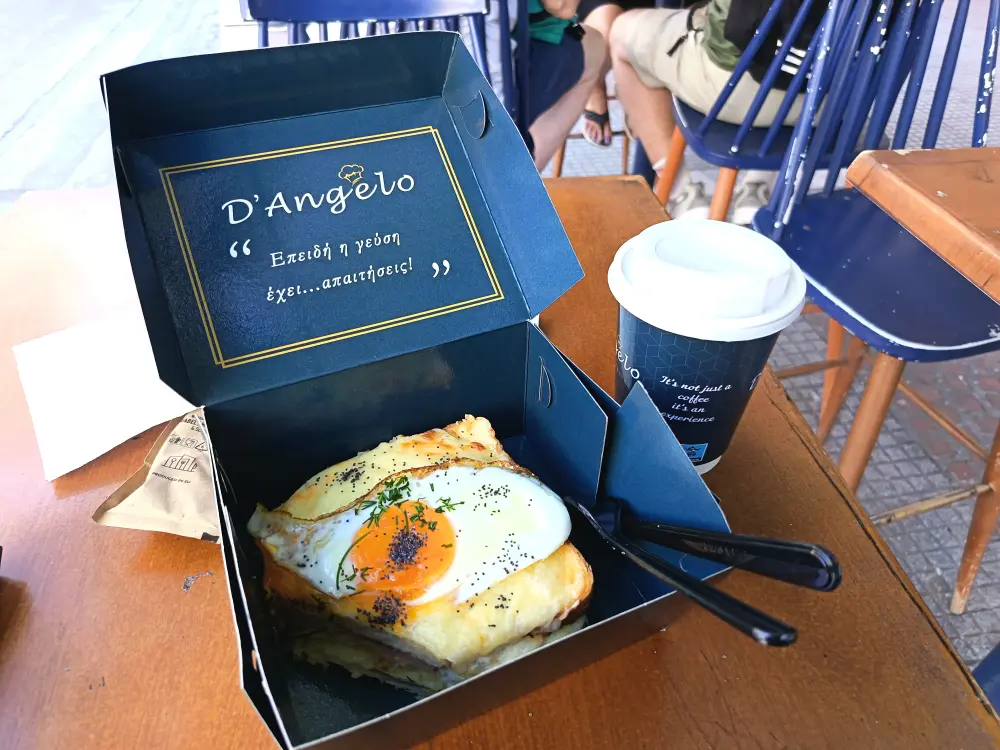
Cardboard is also wasted. I bought a food dish from a street café. It was about to be packed in a nice cardboard box. I said that I would eat it immediately and could take it wrapped in paper. I was told that everything is packed the same way. Besides, it was difficult to eat from the cardboard box with a fork and knife. There were several of these boxes crammed into the café's trash.

Food portion packed in a cardboard box
The cardboard box feels a bit excessive in this use.

It is difficult to get through the Balkans using public transportation

I have tried to get from Central Europe to Athens by train twice before. Now the trip was successful, but mainly with the help of buses. I would have preferred to travel by train.

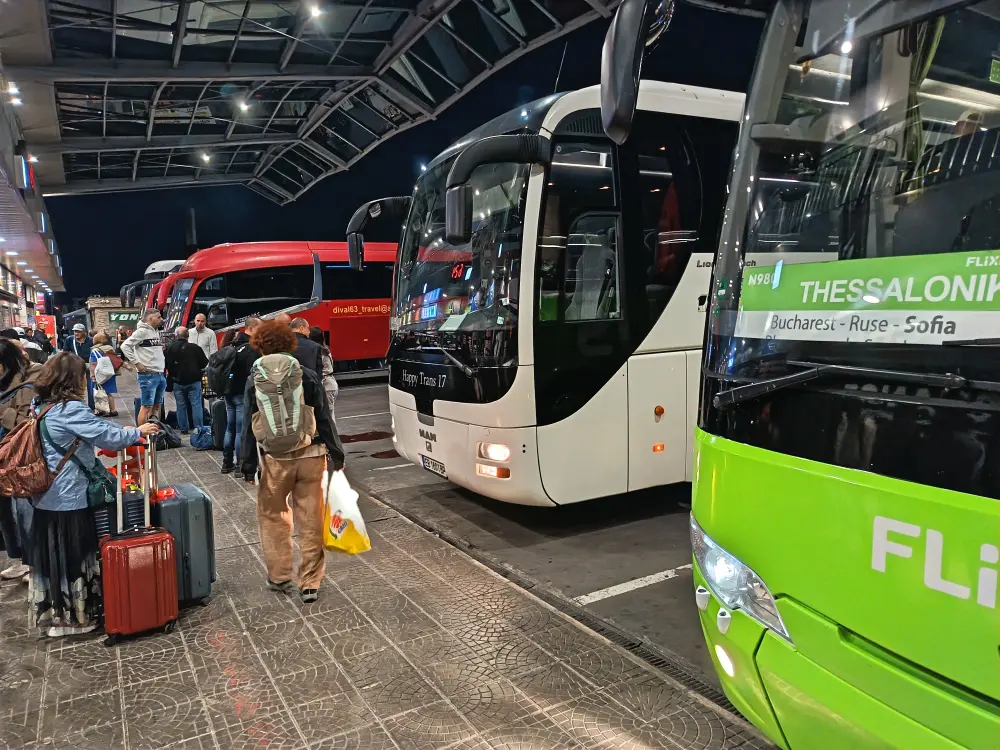
Buses at Sofia bus station
The Flixbus is leaving from Sofia to Thessaloniki.

I have wondered why buses are often kept idling at bus stations. I paid special attention to this on this trip. Some buses were running the whole time they were at the station, even for several minutes.

This feels strange, especially when efforts are being made to reduce emissions in bus transport as well. The constant humming of the bus is not even pleasant to listen to.

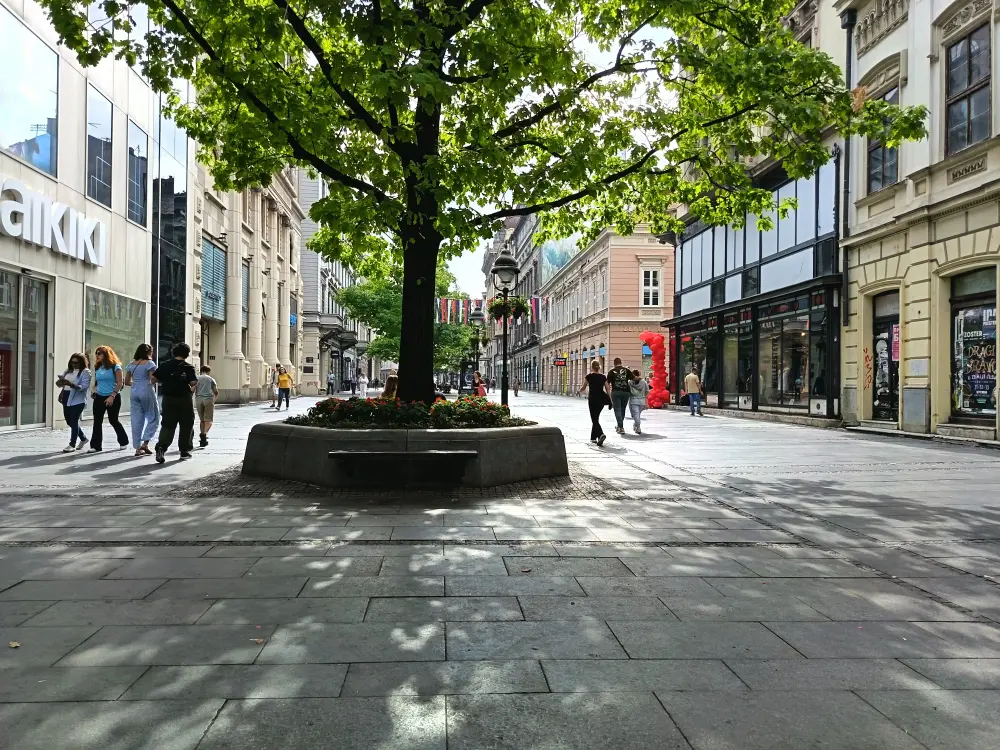
Knez Mihailova is a pedestrian street in the center of Belgrade, which is the busiest and most important street in the city. It connects the Kalemegdan Fortress to Republic Square (Trg republike) and is filled with shops, cafes, and restaurants. The street is popular throughout the day and evening, and it is an important meeting place for locals and tourists.

Shopping street Knez Mihailova

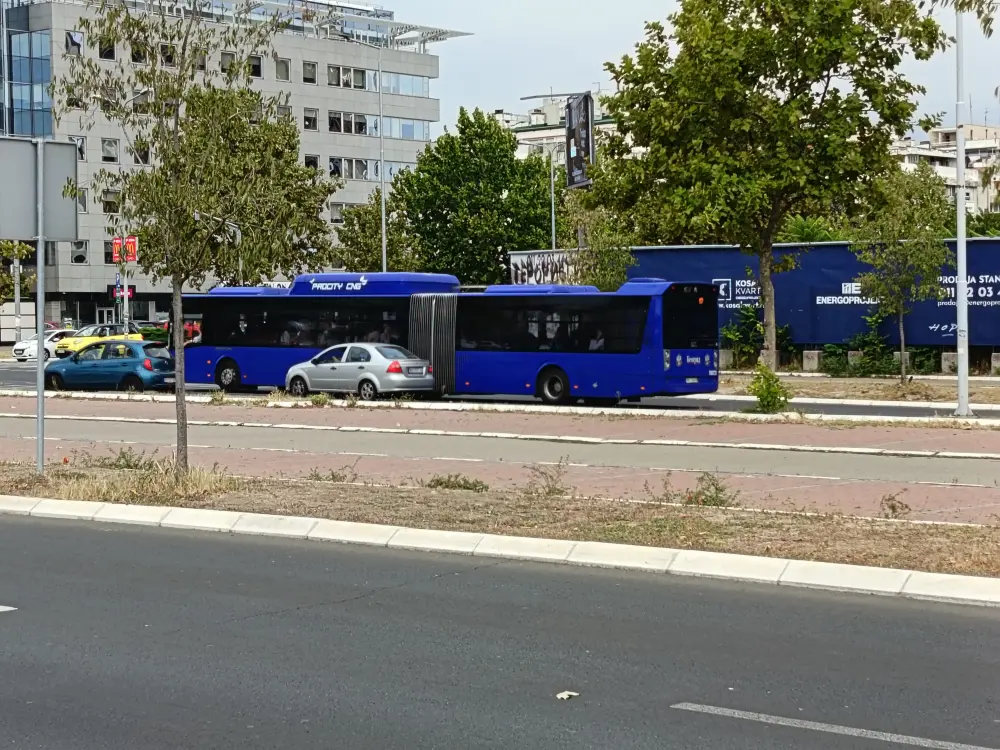
Since the beginning of this year, public transport in Belgrade has been free for all passengers. This includes all city and suburban lines, including buses, trams, trolleybuses, and BG trains. Traveling is easy when you don’t have to pay any attention to the payment process. Buses are often packed to capacity.

The bus on Belgrade Street

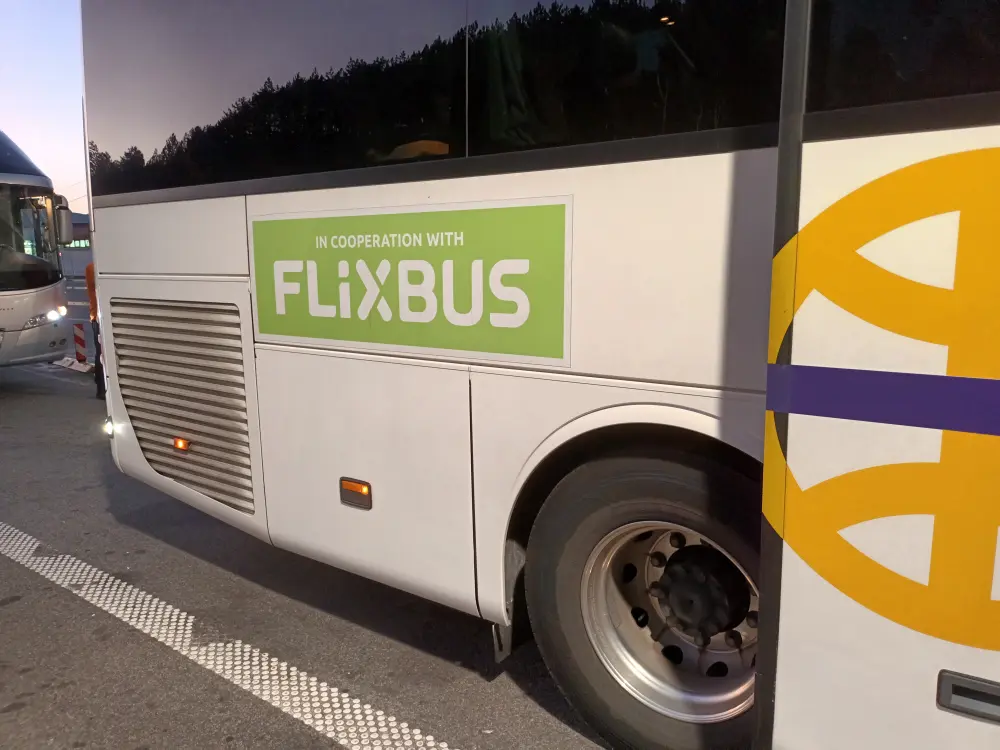
My journey from Belgrade continued to Sofia by bus. I took a FlixBus, although this time it was not the usual completely green bus. The FlixBus logo was only on the back of the vehicle, and there were also other markings on the bus. Apparently, it was a subcontractor. This bus did not have a bathroom, unlike the typical FlixBuses.

The back of the bus

The free public transport in Belgrade is a rarity

Belgrade has become the first European city with over 500,000 inhabitants to offer free public transport.

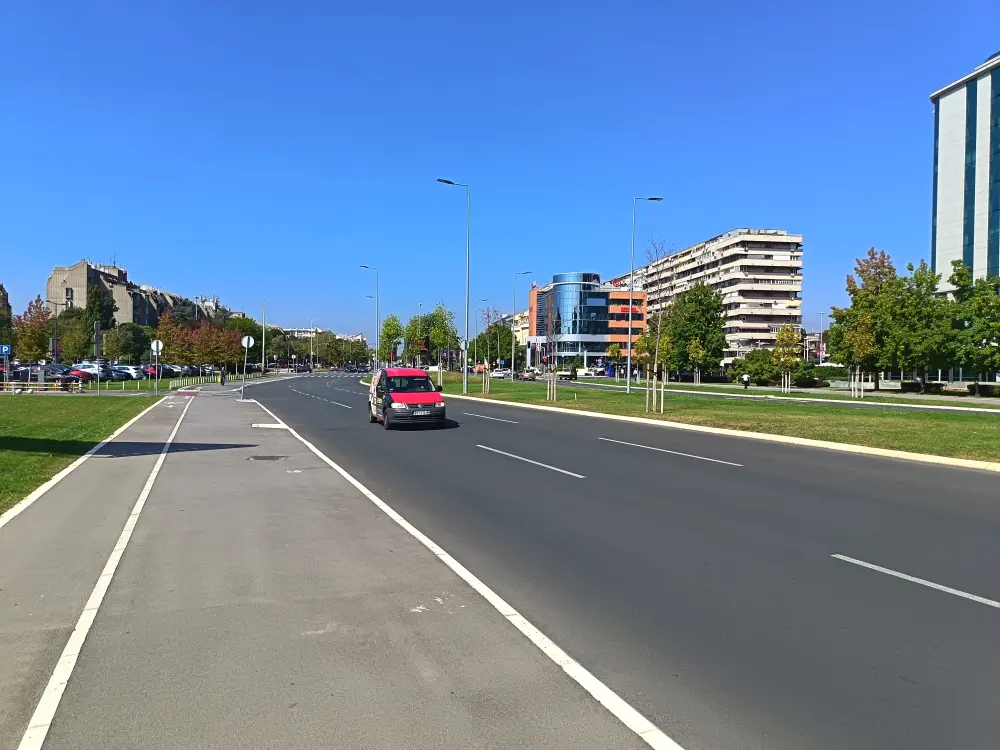
Wide street in Belgrade
There is space in the cityscape of Belgrade.

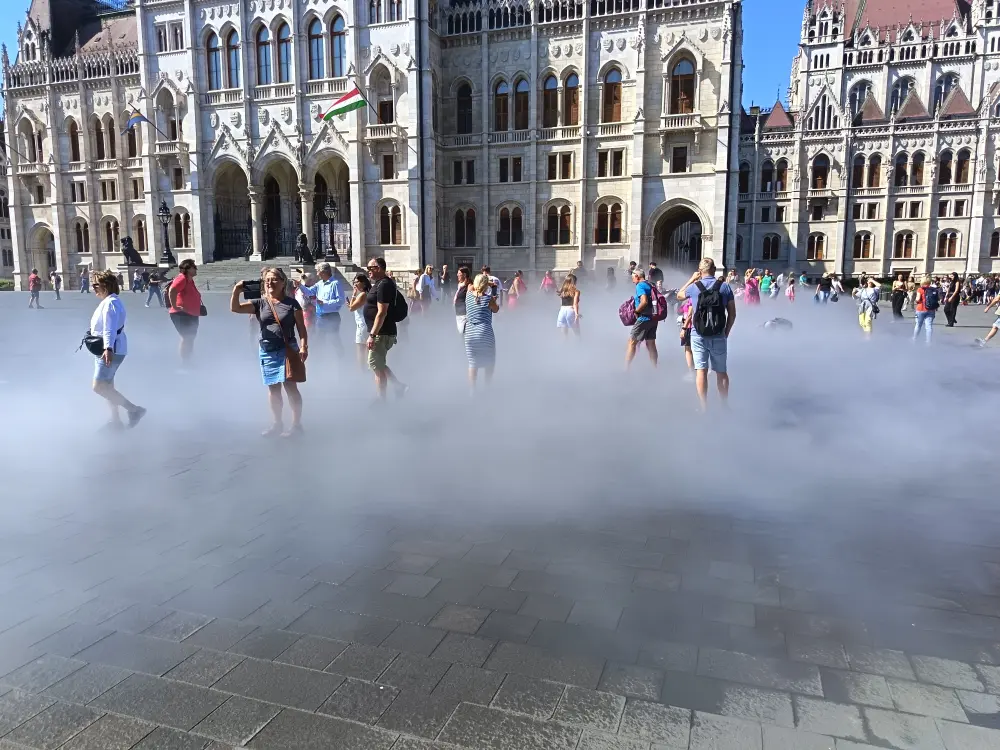
Water spray for the joy of people

The pavement of the Parliament House has hundreds of small water jets. The mist created by them captivates people.

The nozzles are spraying water from the pavement and people are enjoying it.

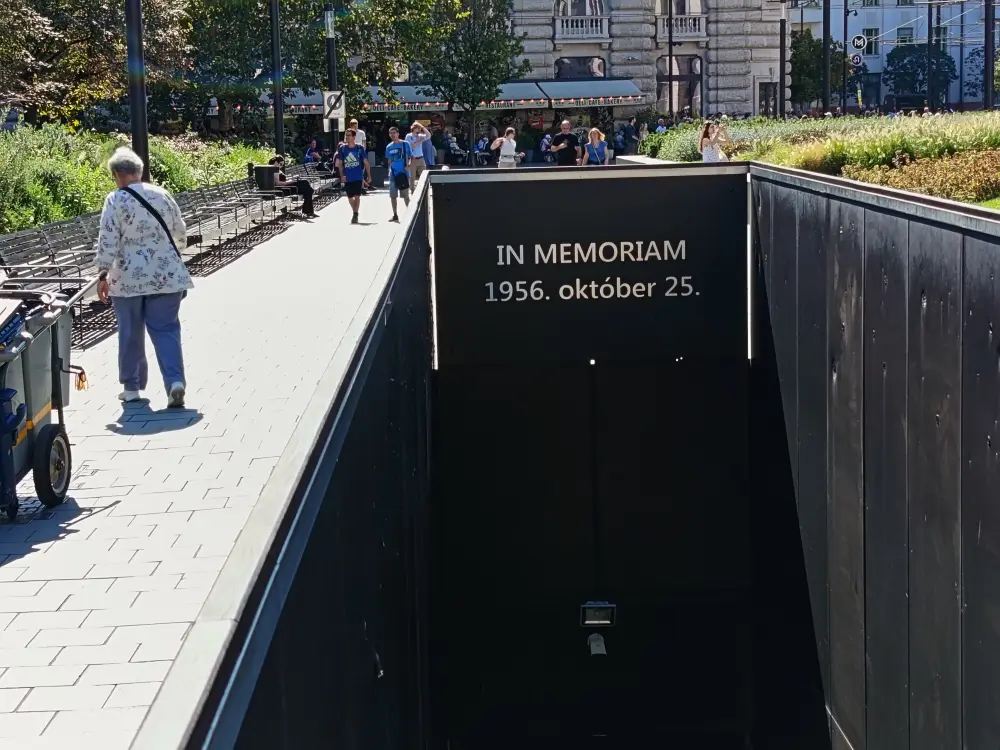
The uprising in 1956

The Hungarian uprising in 1956 was a significant event that expressed the people's dissatisfaction with the communist regime and the Soviet occupying forces. This led to a brief but intense struggle for freedom. The museum is located next to the parliament building.

Museum of the Hungarian Revolution

Secret accommodation

I booked accommodation, which was hard to find. It was not an Airbnb apartment, but rather a lodging posing as an accommodation company. There was no information about the company to be found on the street or on the door. I don't know what the reason for this is, but an arriving customer has to work to find the location. A traveler has to get used to such situations.

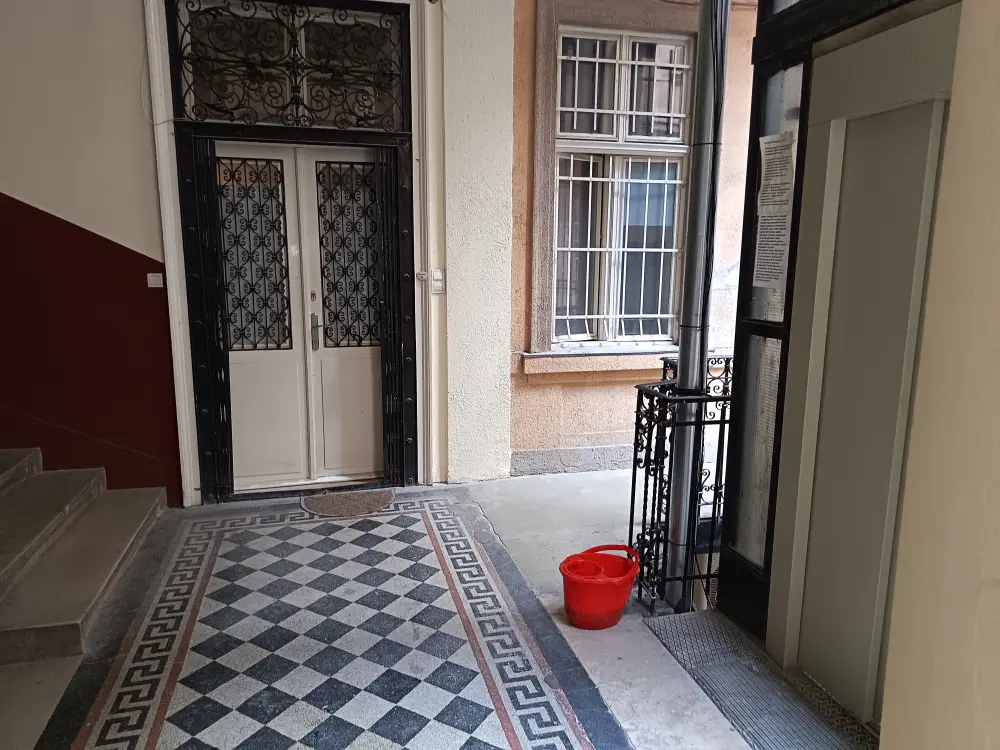
The room's door in the apartment building

Pictures of Budapest

There is a lot to see in Budapest – especially for a person interested in history.

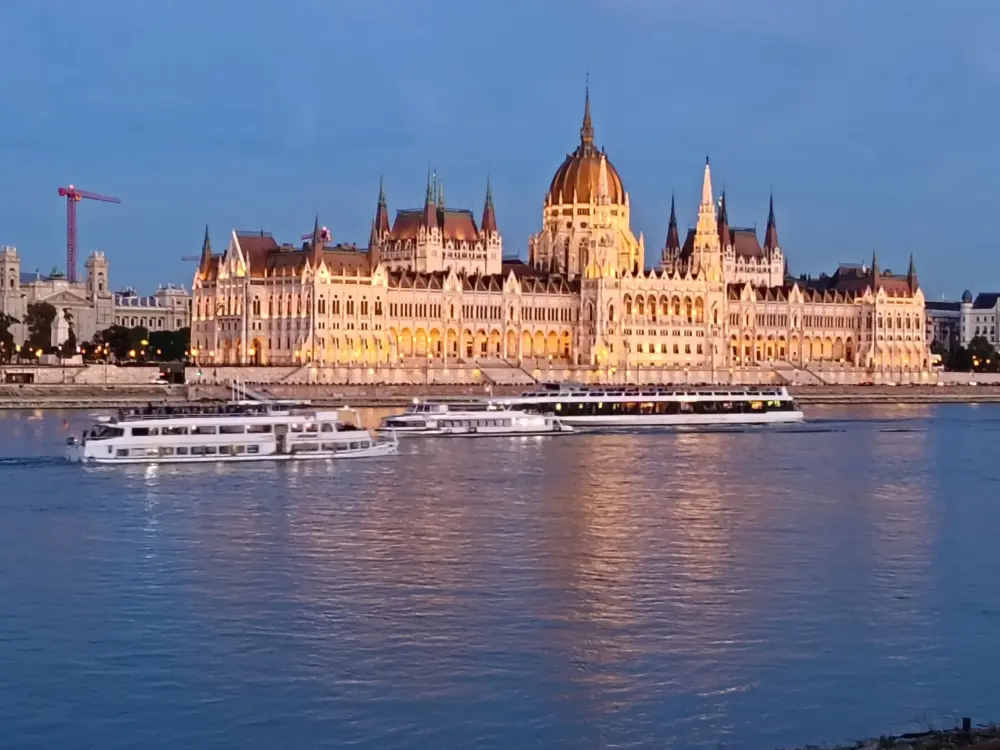
Hungarian Parliament Building
Hungary has a beautiful parliament building
IMG 20250911 092227 3
I took these pictures the next day in daylight
IMG 20250911 092235 4
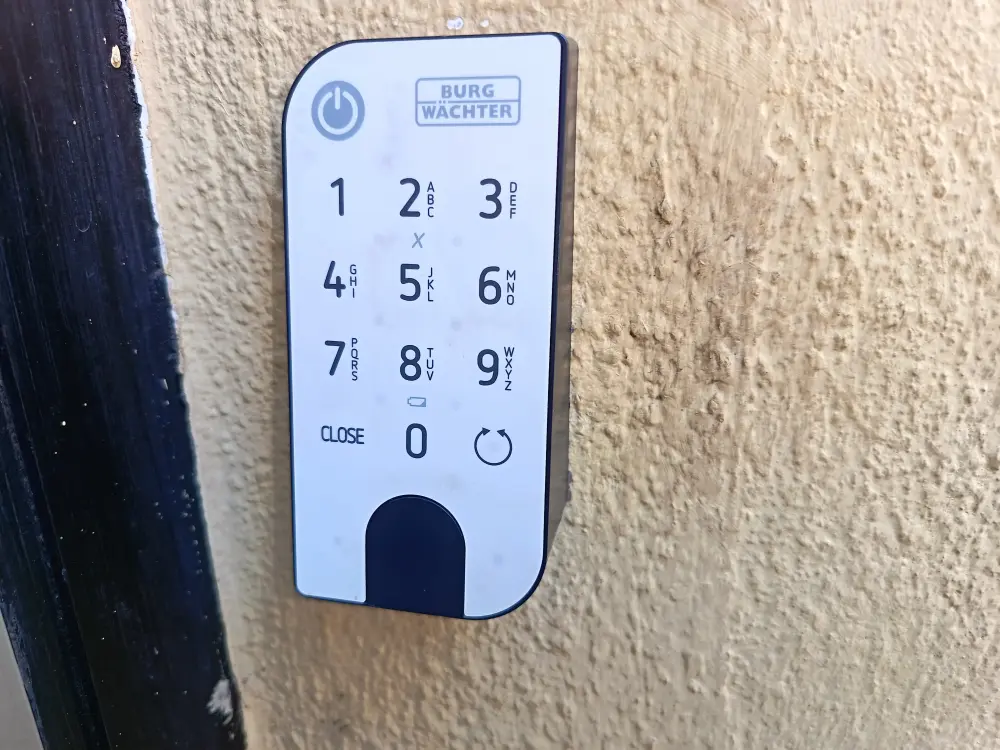
When I came to the door in the evening, it was quite dark

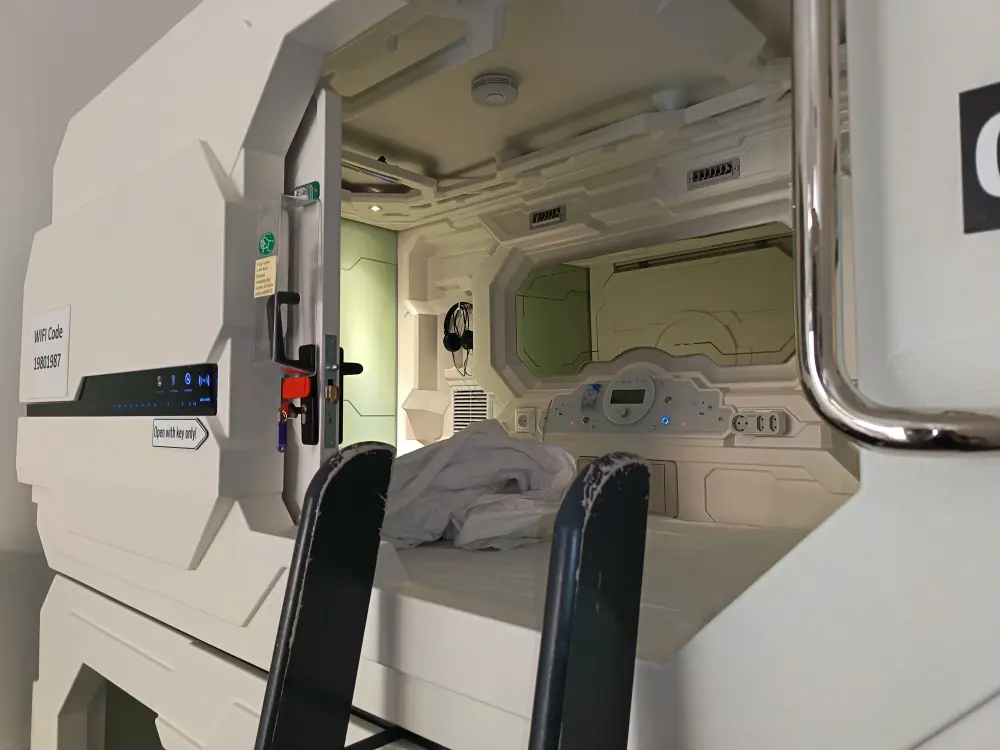
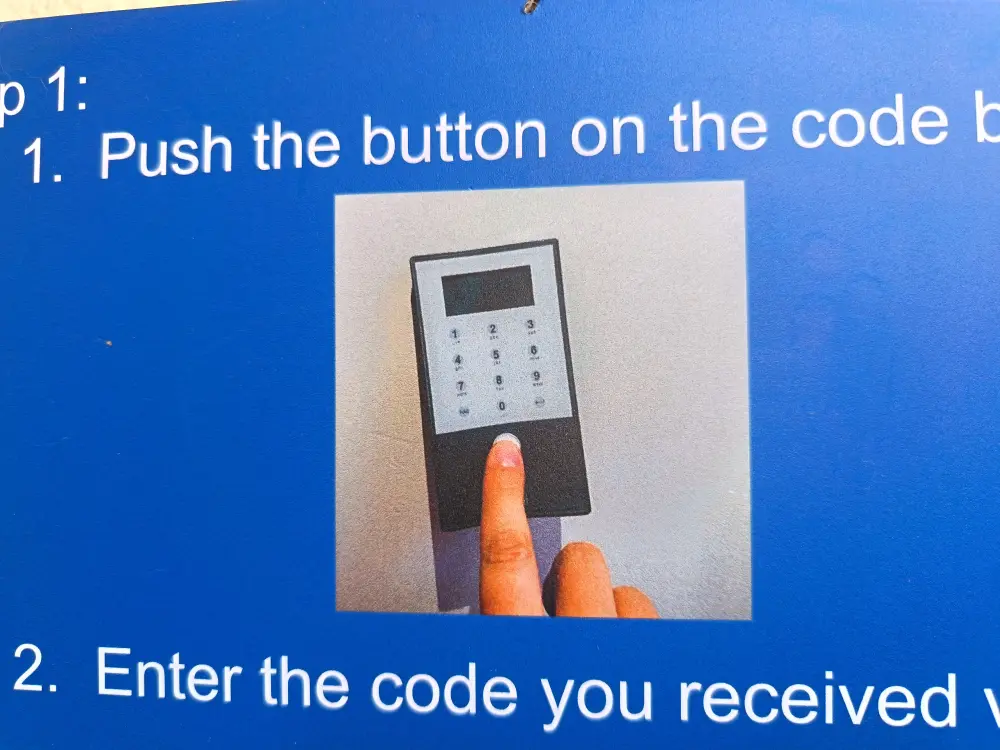
I arrived at the front door of the capsule hotel late at night. It was already quite dark and I was in a hurry to sleep. I tried to study the check-in instructions using the light of my mobile phone. The instructions were from a different device than the one next to me. As a result, I pressed the wrong button and the door wouldn't open. I looked at my Airbnb reservation. It said that the host usually responds within six hours.

There was no call option on the reservation, so I contacted Airbnb support, and they contacted the host. However, I had managed to solve the door mystery before he called. So a system that works completely without staff has been developed. There were a few customers there during my stay.

An unstaffed capsule hotel in Vienna

It’s comfortable to sleep in a capsule, but check-in at a Viennese hotel should be simplified.

IMG 20250911 091938 5
Capsule ready for sleeping

From the initial difficulties back to implementing the plan

The flood in Central Sweden interrupted train services in the north. My train journey was also halted, and I had to fly to Stockholm. Since then, everything has gone according to plan. So the route has gone through Berlin, Vienna, Budapest, Belgrade, and Sofia to Thessaloniki. Next up is Athens.

Finding the route was difficult.

I have tried to cross the Balkans by train twice before. Both times I changed the route to go elsewhere from Central Europe. Now I made it through by including bus legs. The best ones have been on Flixbus services.

You can prepare for currency issues with cash

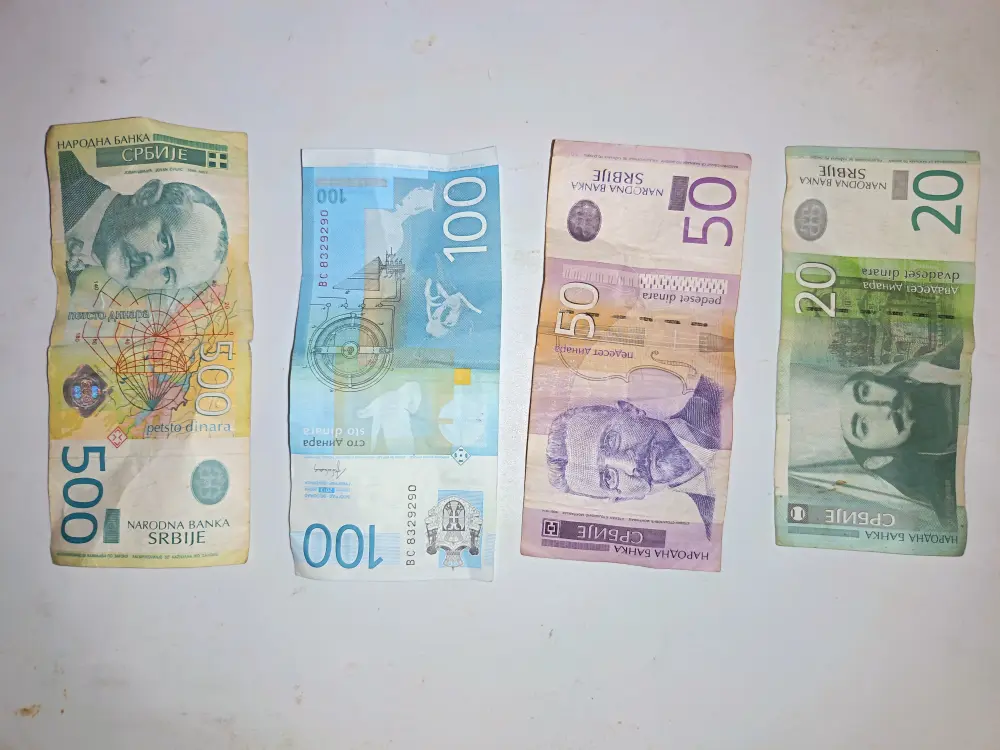
In Hungary, the currency is the forint. Its international code is HUF. There is a lot to deal with regarding banknotes because one euro is nearly 400 forints.

The currency unit in Serbia is the dinar. The abbreviation for the currency unit is RSD. 120 dinars is approximately one euro.

My bank card did not work in Belgrade. My bank claims that there should not have been any issues with the card. The situation was made worse because it happened to be Sunday, and exchange offices were closed. Eventually, I found an open exchange office on Kneza Mihaila shopping street. Fortunately, I had brought several hundred euros in cash with me.

Serbia is not part of the EU, and for example, a user with a Telia connection pays more for internet and calls than in the EU area.

The currency unit in Bulgaria is the lev. Traveling in Bulgaria is affordable. One euro corresponds to about two leva: Euro prices are already visible in stores. (BGN).

In February 2025, it was reported that Bulgaria is ready to adopt the euro on January 1, 2026, and that the country meets almost all convergence criteria.

The Balkan peninsula has plenty of challenges

It is quite difficult to find a train route if you want to go from Central Europe to, for example, Greece. Serbia is not part of the EU, which means, among other things, more expensive internet connections.

IMG 20250915 083712 6
Serbian banknotes
IMG 20250916 112220 7
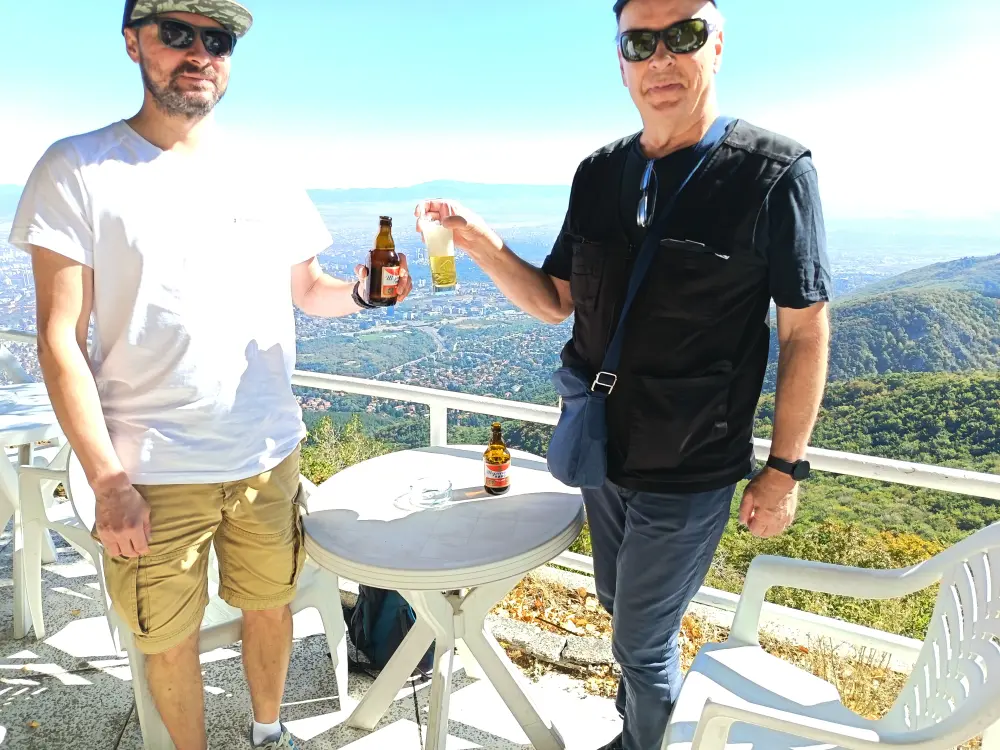
Iacho is my son-in-law's music buddy in Sofia. He was my guide for the day. From Vitosha Mountain, there is a view over the whole city.
terror 8
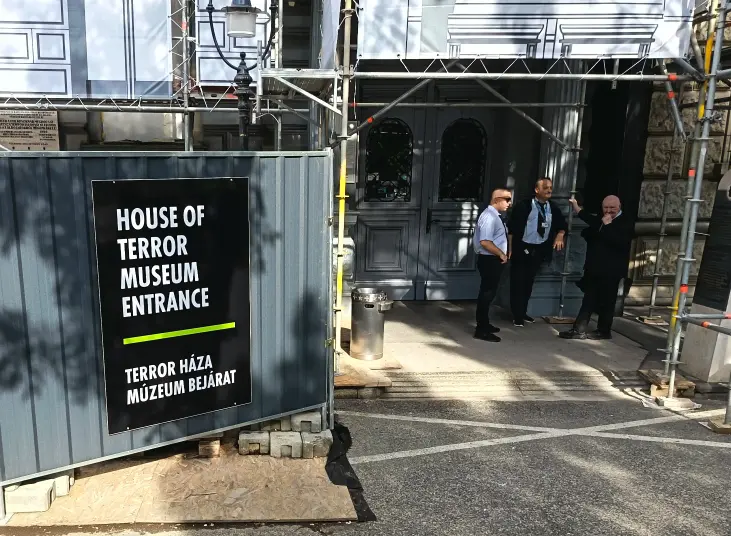
House of Terror in Budapest. There was Nazi oppression during World War II and communist oppression after the war. The victims were ordinary Hungarians.

The train journey from Luleå to Stockholm was changed to a flight.

The situation felt hopeless for a moment. I thought about whether I should return home and cancel all the bookings for the trip that was more than three weeks long. However, there were so many travel tickets and accommodations that giving up was not an option.

I found accommodation in Luleå and a flight to Stockholm for the next day. With this flight, I would make it to the train to Berlin. I made the reservations and traveled by bus to Luleå.
The plan went well and now I am implementing the original plan. I sent the receipts for the extra costs to SJ. The total costs amounted to 2700 Swedish kronor, which is nearly 290 euros.

The whole journey was about to fall at the first meters - flying was the only option

The flood in Central Sweden completely halted train traffic from the north. I received information from SJ about the cancellation when I was already getting on the bus to Luleå from Haparanda.

IMG 20250909 124958 9
The first flight in four years

The only option was to resort to the plane

When an entire train service is canceled, there is a rush to find alternative connections, as many others are also looking for connections.

The next stage of my journey begins on Tuesday afternoon after 5 PM. At that point, the train departs from Stockholm to Berlin, so I have a day to get to Stockholm.Unfortunately, the only way to get from the north to Stockholm in this case is by plane.

This significantly reduces the eco-friendliness of this trip, but there was no other option, as the entire three-week travel chain (accommodations and train and bus tickets) would have collapsed.

Usually, I leave buffer days in the itinerary to prepare for setbacks, but in this case, it wouldn't have helped. So I had an overnight stay in Luleå, and on Tuesday, I have a flight to Stockholm. SJ promised to cover the incurred costs up to 3000 kronor.

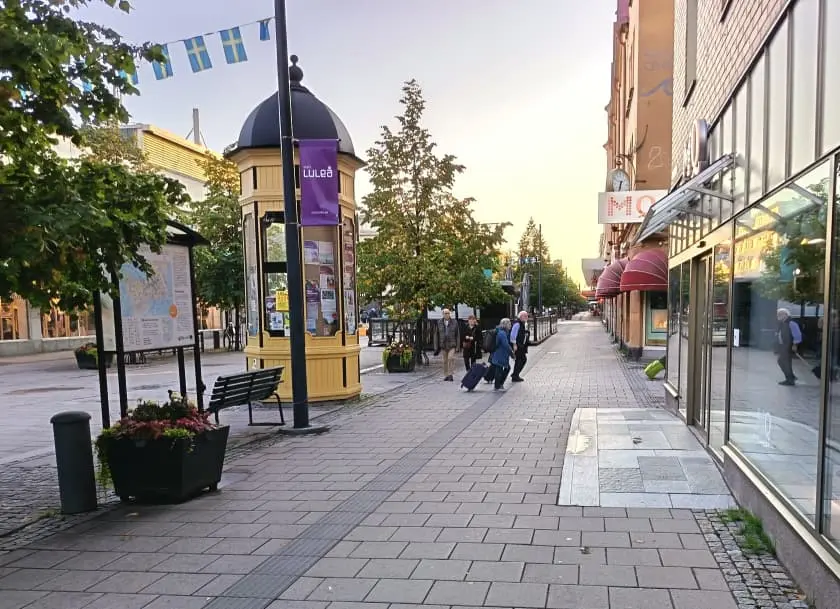
Street view from Luleå

Information about the flood and train traffic from SVT

Tågtrafik mellan Umeå och Sundsvall inställd efter översvämningar | SVT Nyheter

The journey began with a setback

The night train from northern Sweden, from Luleå to Stockholm, was canceled due to flooding. I received this information while I was already on my way from Haparanda to Luleå. It became urgent to find an alternative route.

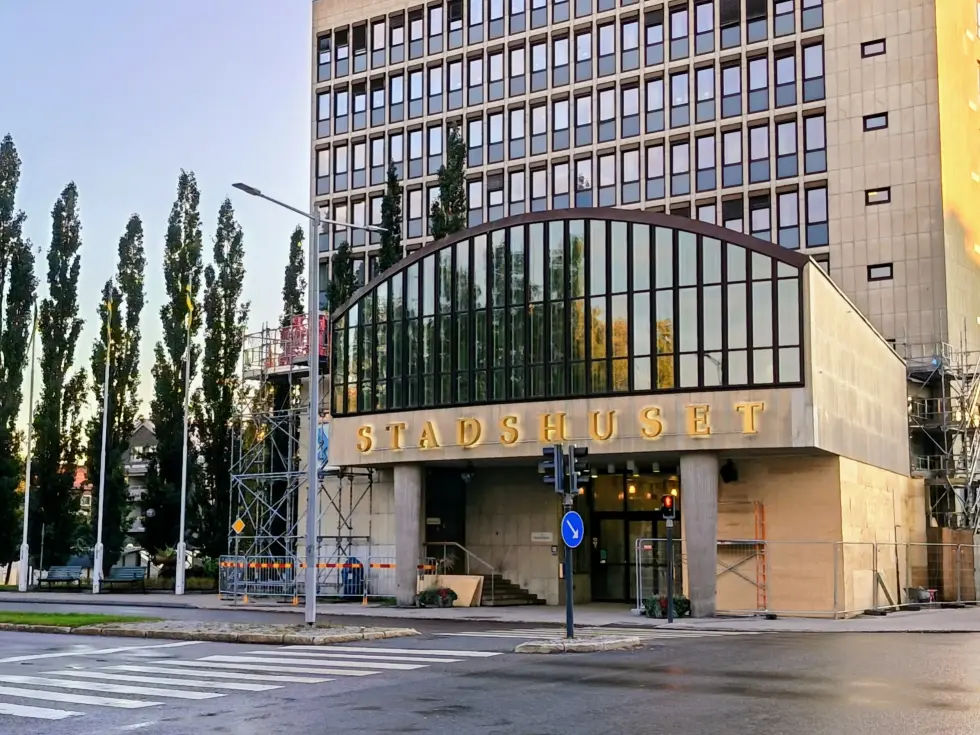
Luleå City Hall
Luleå City Hall

Another phone for the duration of the trip

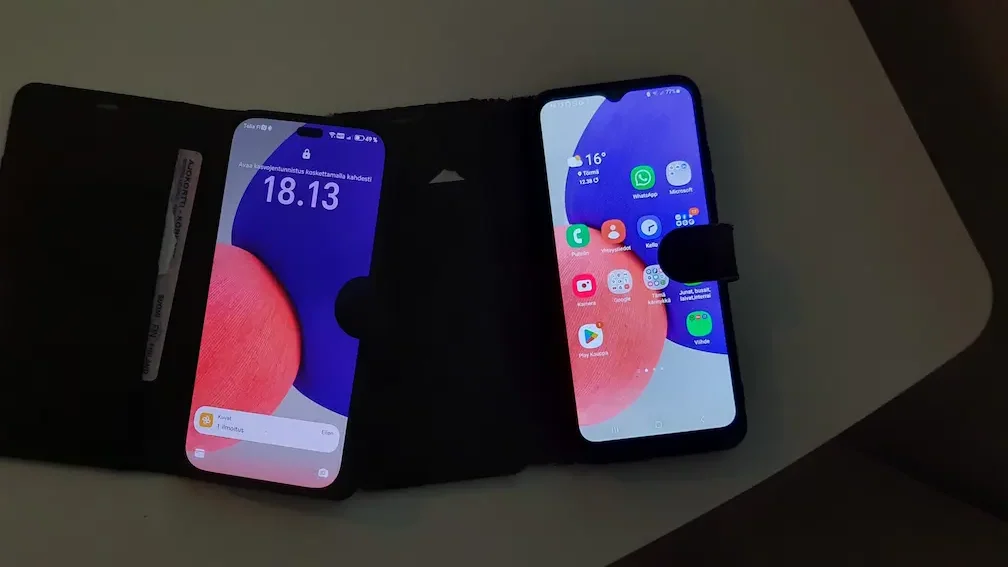
In previous occasions, I have taken an old phone and SIM card with me on the trip, just in case. They are easy to use if the main phone gets damaged, stolen, or lost. This time, I put the SIM card in place and activated the connection for a month.

The costs for the month's subscription amounted to 34 euros. I have about 150 apps on my phone. They are apps from European train, bus, and metro companies, among others. My phone has all my travel tickets and accommodations, my bank contacts, and all my connections. Losing my phone would be a real disaster, so having a backup phone is a small investment in that regard.

I took a plan with a good internet connection. The internet connections for two phones are sufficient for a longer trip even if you are online almost all the time. In the main phone, the amount of internet usage is 47GB/month in the EU area, while in the new phone it is 41GB/month.

The seventh journey across the land to the Balkan Peninsula and Italy

Preparations before the trip – Losing my phone would get me into trouble

IMG 20250901 WA0001 e1756741122735 10